
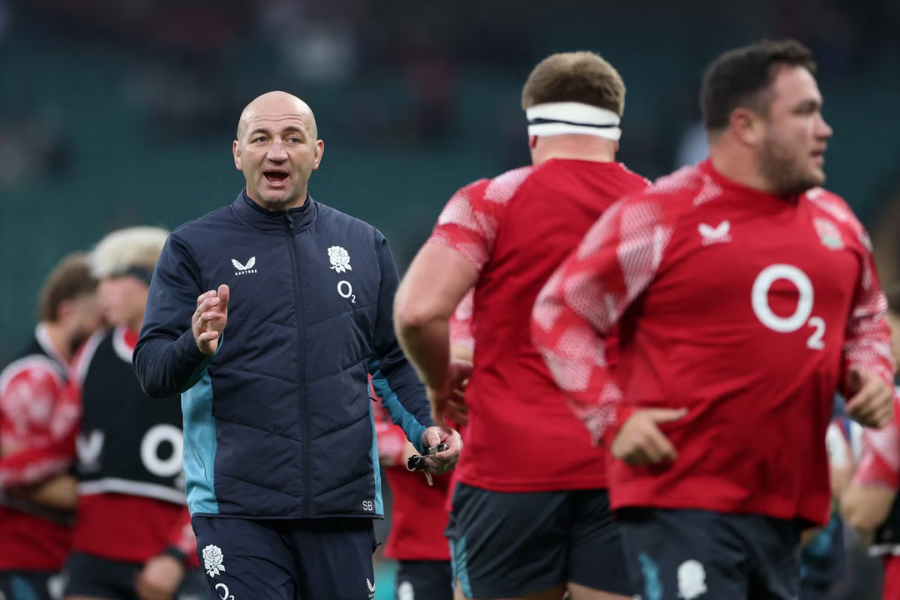

Steve Borthwick’s England squad announcement does not arrive with fireworks — and that is precisely the point. While France coach Fabien Galthié has caused shockwaves by sidelining established stars, England’s head coach is selecting from a place of rare comfort: continuity, form and a winning culture.
England enter the Six Nations on an 11-match unbeaten run, a streak that has quietly reshaped expectations and positioned them as genuine title contenders for the first time since 2020. The squad named for the championship is unlikely to feature dramatic omissions or headline-grabbing gambles. Instead, it reflects a side that knows itself — and trusts what it is becoming.
Borthwick’s approach stands in contrast to the more theatrical selection traditions of the past. Where previous regimes might have sprung surprises for effect, this group feels built for clarity. Depth charts are defined, roles are understood and development pathways are mapped with Australia 2027 firmly in mind. The resurrection of England A fixtures and last summer’s tour to Argentina and the United States have sharpened that sense of structure. The result is a squad that feels less like a gamble and more like a blueprint.
That is not to say the selection lacks intrigue. Injuries at prop have created genuine challenges, with tighthead resources stretched by the absence of Will Stuart and Asher Opoku-Fordjour. Joe Heyes has responded impressively, while Ellis Genge’s form offers reassurance on the loosehead side. Fin Baxter’s recovery timeline remains under close watch, but England’s front-row depth is no longer a source of quiet panic.
The backline, too, reflects measured evolution rather than upheaval. Marcus Smith’s versatility across fly-half and full-back adds tactical elasticity, while Freddie Steward’s growth with ball in hand has strengthened his grip on the No 15 shirt. On the wings, Tom Roebuck’s aerial security and Immanuel Feyi-Waboso’s attacking threat underline England’s balance between pragmatism and flair, with Elliot Daly’s experience offering further flexibility.
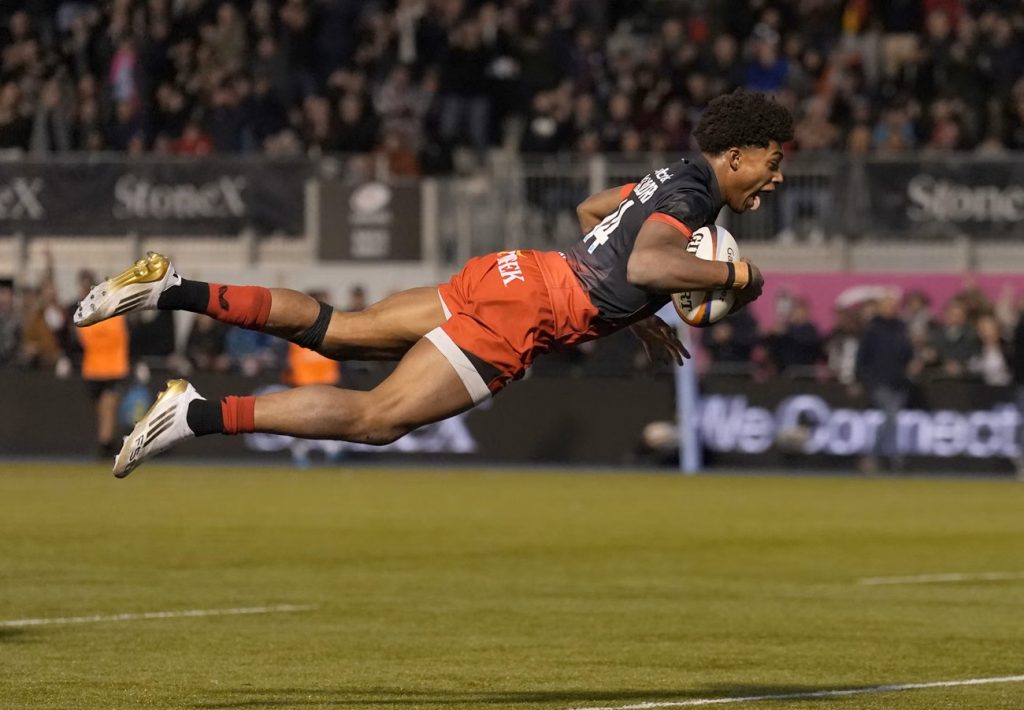
Perhaps the most compelling storyline is the emergence of Noah Caluori. The 19-year-old Saracens wing burst onto the Premiership scene with five tries on his first start and has since spoken openly about his ambition to become England’s greatest-ever winger. “I want to go on the summer tour this year for England and hopefully get my first cap either this Six Nations or in the summer,” he said recently. His rise typifies Borthwick’s philosophy: reward form, integrate youth gradually and avoid rushing potential into pressure.
The midfield remains one of the most competitive areas of the squad. Tommy Freeman’s transition into centre, Ollie Lawrence’s power, Henry Slade’s distribution, Fraser Dingwall’s organisation and Max Ojomoh’s composure give England flexibility without uncertainty.
Beyond individuals, the broader narrative is one of stability. England no longer face the awkward necessity of phasing out senior figures mid-cycle. Several established internationals have already moved abroad or stepped aside, allowing the next generation to settle naturally. The result is calm selection days rather than combustible ones.
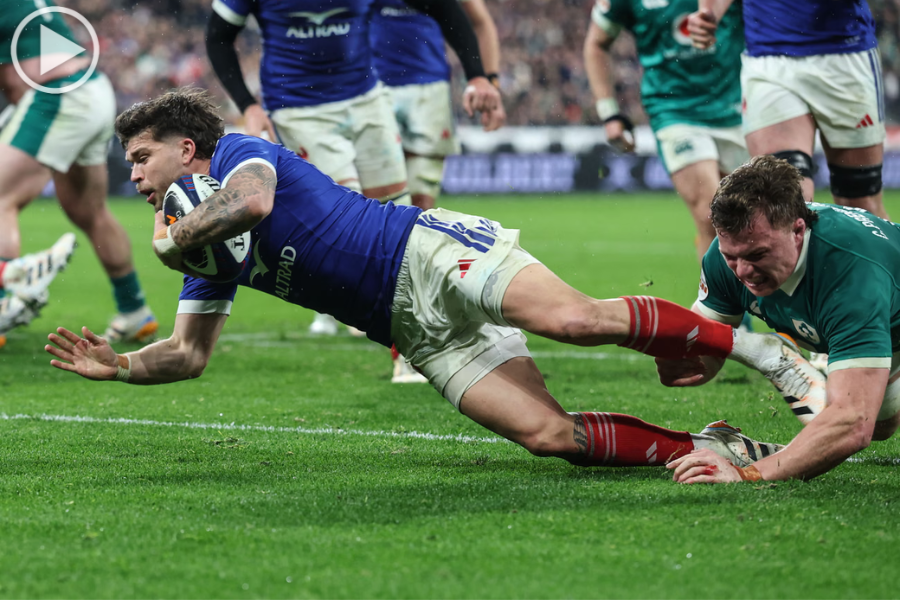
The contrast with France is stark. Galthié’s omissions of Damian Penaud, Grégory Alldritt and Gaël Fickou have reignited debate about renewal versus reliability. Borthwick, by comparison, has little need to provoke. His side is winning, his squad is young and his roadmap to 2027 is unusually unobstructed.
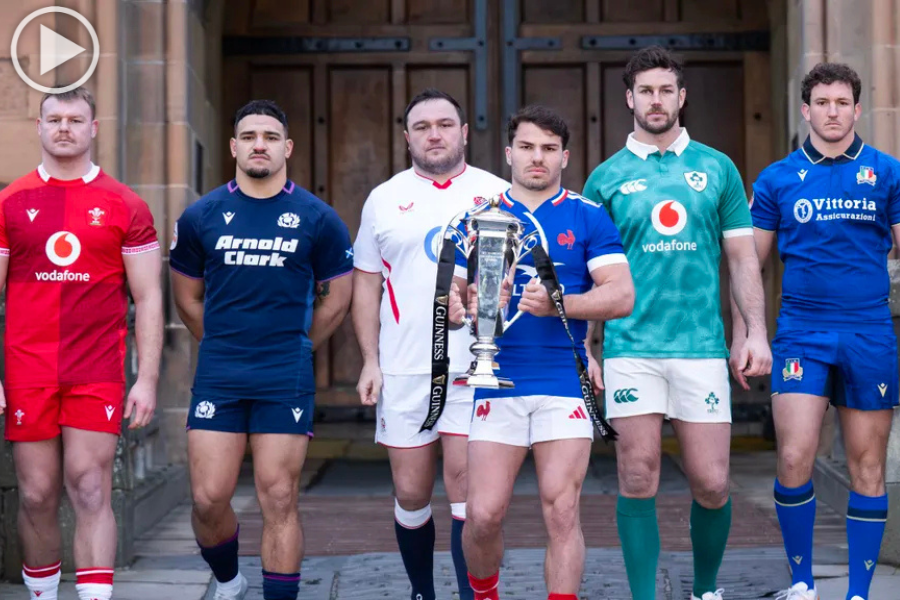
England’s Six Nations schedule presents its own tests: Wales at Twickenham, Scotland in Edinburgh, Ireland at home, before trips to Italy and France. The closing night in Paris could decide the championship, and the fact that this feels plausible speaks volumes about England’s progress.
There may be those who miss the theatre of shock selections. But consistency carries its own drama — the quieter tension of progress, expectation and momentum. As England’s squad assembles without controversy, it sends a clear message: this team knows where it is going.
And in modern Test rugby, that certainty can be the most powerful weapon of all.
England’s 36-player squad for 2026 Six Nations
Forwards (20): Ollie Chessum (Leicester Tigers, 30 caps), Arthur Clark (Gloucester Rugby, 1 cap), Alex Coles (Northampton Saints, 14 caps), Luke Cowan-Dickie (Sale Sharks, 53 caps), Chandler Cunningham-South (Harlequins, 20 caps), Tom Curry (Sale Sharks, 65 caps), Theo Dan (Saracens, 20 caps), Trevor Davison (Northampton Saints, 3 caps), Ben Earl (Saracens, 46 caps), Greg Fisilau (Exeter Chiefs, uncapped), Ellis Genge (Bristol Bears, 75 caps), Jamie George (Saracens, 105 caps), Joe Heyes (Leicester Tigers, 17 caps), Maro Itoje (Saracens, 97 caps – captain), Emmanuel Iyogun (Northampton Saints, uncapped), Guy Pepper (Bath Rugby, 7 caps), Henry Pollock (Northampton Saints, 5 caps), Bevan Rodd (Sale Sharks, 10 caps), Vilikesa Sela (Bath Rugby, uncapped), Sam Underhill (Bath Rugby, 45 caps).
Backs (16): Henry Arundell (Bath Rugby, 11 caps), Seb Atkinson (Gloucester Rugby, 2 caps), Elliot Daly (Saracens, 74 caps), Fraser Dingwall (Northampton Saints, 7 caps), Immanuel Feyi-Waboso (Exeter Chiefs, 13 caps), George Ford (Sale Sharks, 105 caps), Tommy Freeman (Northampton Saints, 22 caps), George Furbank (Northampton Saints, 14 caps), Alex Mitchell (Northampton Saints, 27 caps), Cadan Murley (Harlequins, 4 caps) , Max Ojomoh (Bath Rugby, 2 caps), Henry Slade (Exeter Chiefs, 74 caps), Marcus Smith (Harlequins, 46 caps), Ben Spencer (Bath Rugby, 14 caps), Freddie Steward (Leicester Tigers, 41 caps), Jack van Poortvliet (Leicester Tigers, 21 caps).