
Fourth Ashes Test, Melbourne Cricket Ground (day two of five)
Australia 152: Neser 35; Tongue 5-45 & 132: Head 46; Carse 4-34
England 110: Brook 41; Neser 4-45 & 178-6: Bethell 40, Crawley 37
England won by four wickets; Australia lead series 3-1
England’s Defining Moment at Melbourne
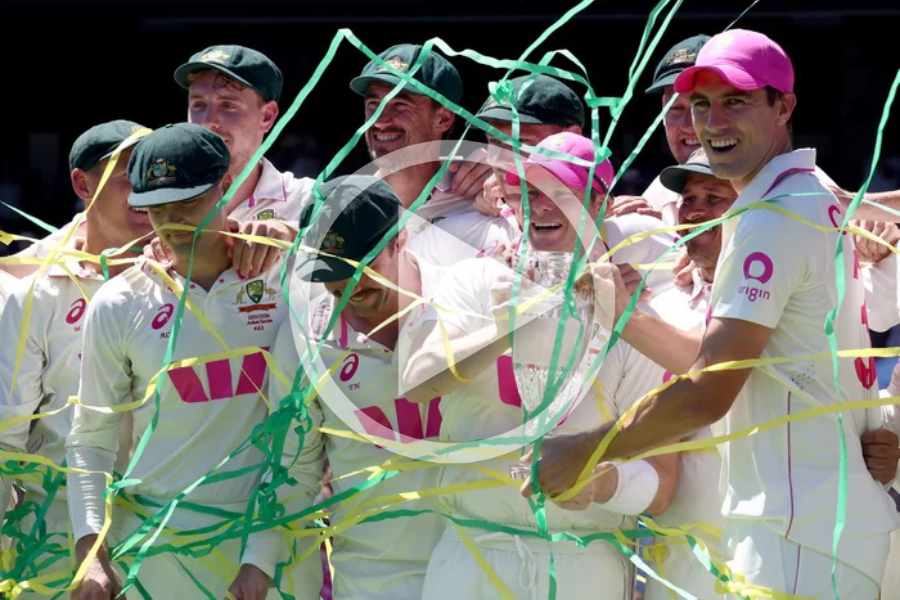
England produced one of the most extraordinary Ashes victories of the modern era by defeating Australia in the fourth Test at the Melbourne Cricket Ground, a match defined by chaos, extreme conditions and relentless pace bowling. Completed inside two days, the result ended England’s long wait for a Test win in Australia since 2011 and ensured the series would not end in a whitewash.
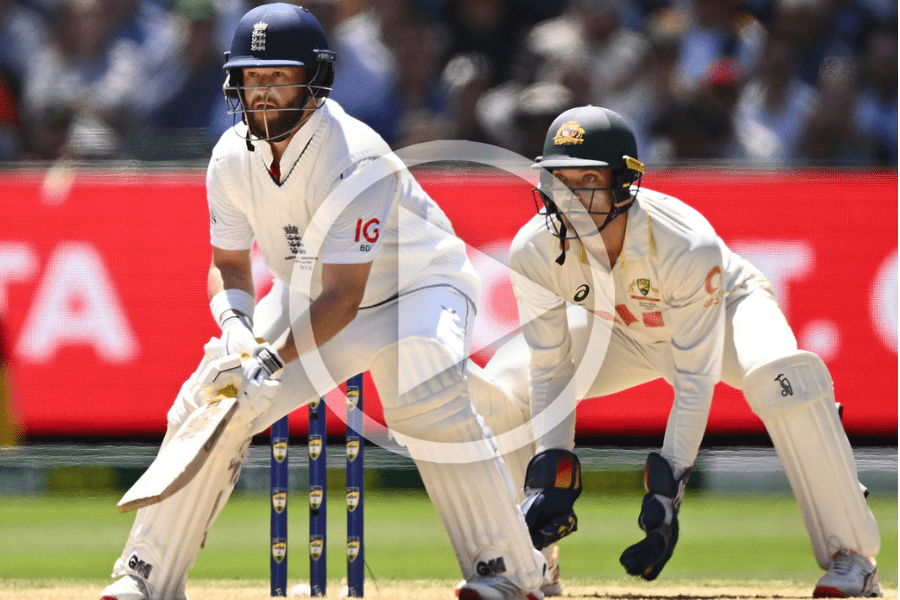
From the opening session on Boxing Day, it was clear this would be no conventional contest. A green-tinged pitch offered movement throughout, making batting a constant gamble. Australia were dismissed for just 152, but any sense of English control evaporated almost immediately. England collapsed to 16-4 in reply and were bowled out for only 110, turning the match into a volatile, finely balanced struggle rather than a display of sustained dominance.
Australia’s second innings followed a similar pattern. Once again, there was little respite for batters, as England’s seamers exploited the conditions with relentless accuracy. Partnerships were fleeting, momentum impossible to hold, and Australia failed to build a decisive advantage. When they were dismissed for a second time, England were left with a modest target — but on a surface that had already punished both line-ups.
Batting with Authority and Intent
England’s response in the final chase reflected the realities of the pitch rather than any sense of security. Having already suffered a dramatic top-order collapse in the first innings, they opted for intent over caution the second time around. The openers launched into a rapid assault, racing to 51 runs inside seven overs in a high-risk blitz designed to stay ahead of the conditions.
There was no illusion of comfort. England continued to lose wickets, underlining how treacherous batting remained throughout the match. In total, they lost 16 wickets across the two innings, repeatedly flirting with danger before crossing the line. One senior player later captured the mood succinctly: “On that pitch, there was no safe way to play — you had to keep going.” The target was reached with urgency rather than ease, sealing a victory built as much on nerve as execution.
A Result with Wider Significance
Beyond its immediate impact on the Ashes narrative, the victory carries weight for the ICC World Test Championship. England’s success was not founded on control or accumulation, but on their ability to endure and adapt in extreme conditions. Crucially, the match was decided entirely by pace bowling: all 20 Australian wickets fell to seamers, with the surface offering consistent assistance to speed and movement rather than spin.
Statistically, the Test stood out for its intensity and brevity. England dismissed Australia twice in little more than a day and a half, yet were themselves repeatedly exposed with the bat. It was a rare Boxing Day Test to finish inside two days — and rarer still for disorder and volatility, rather than dominance, to define the outcome.
Ashes Revived
The result has reignited the Ashes and shifted the psychological balance heading into the final Test. Australia remain ahead overall, but England’s victory in Melbourne demonstrated how quickly fortunes can change when conditions level the contest. For England, this was not merely a win, but a statement of resilience — a reminder that survival, adaptability and bold decision-making can still rewrite history in the harshest of environments.