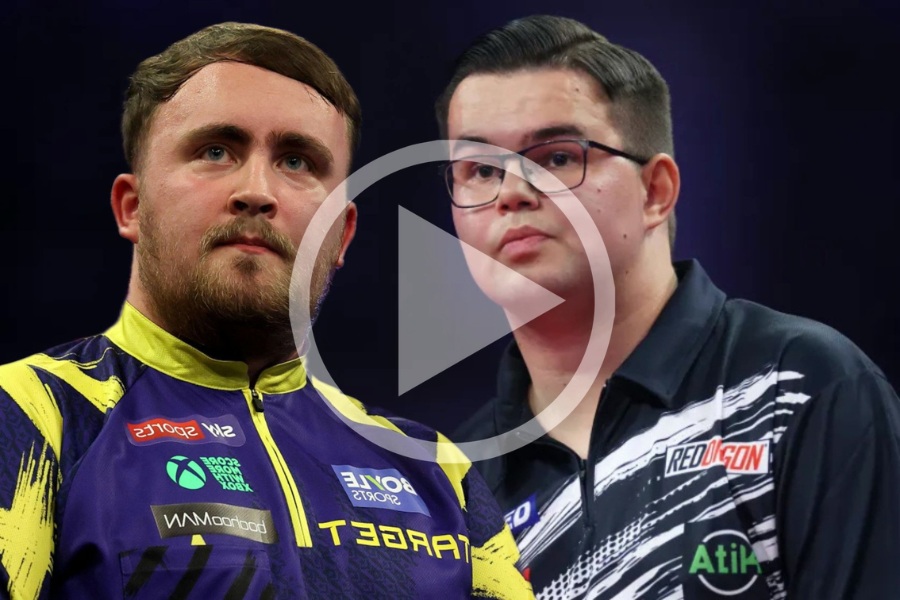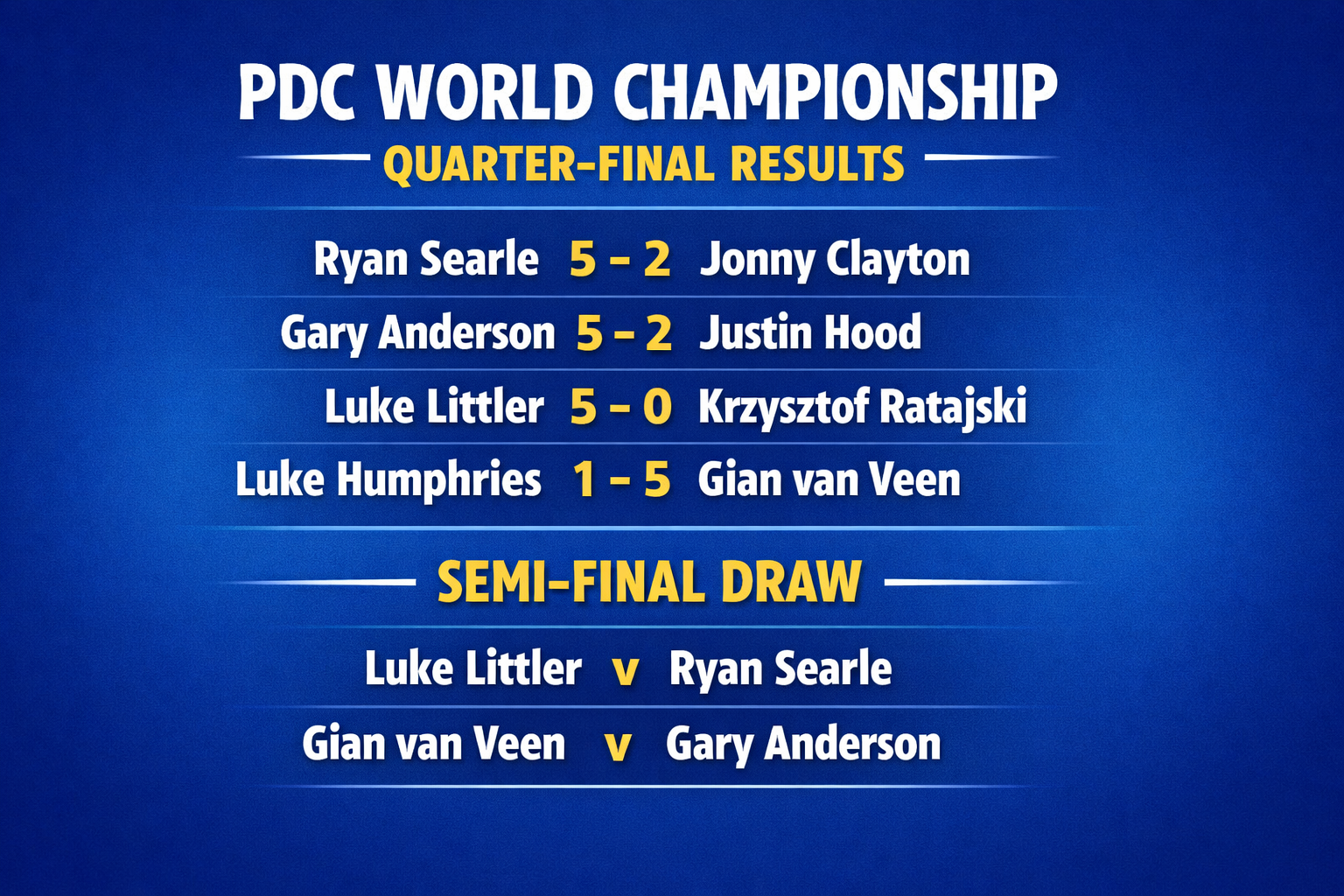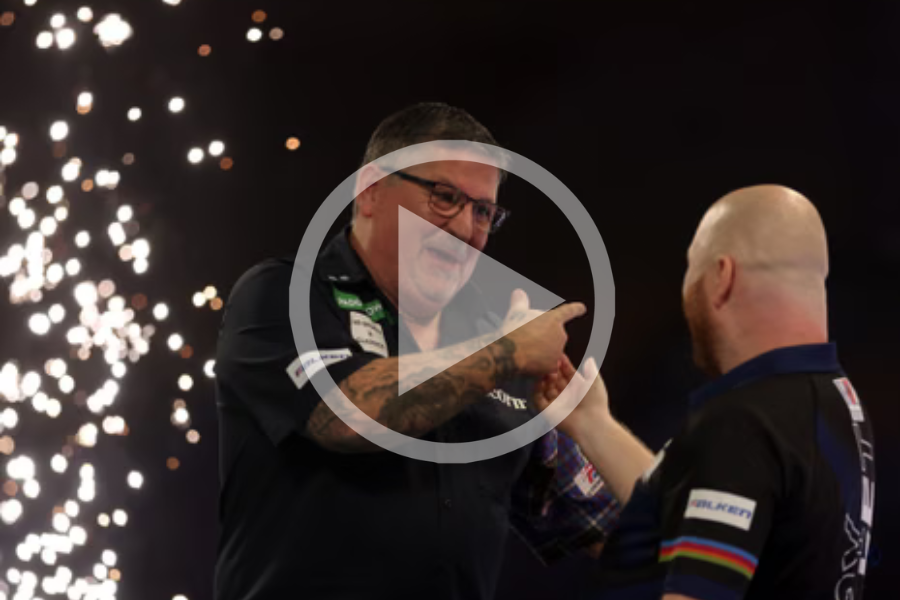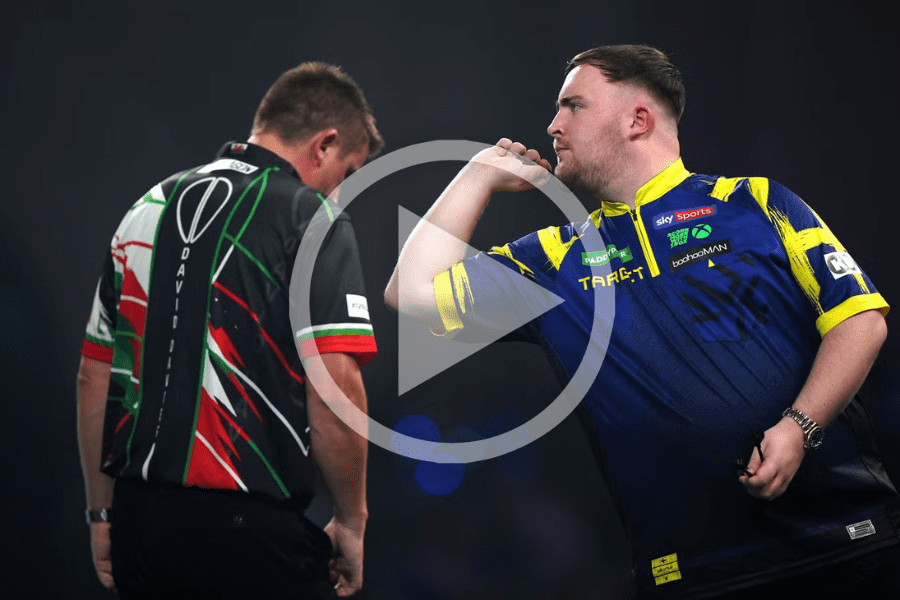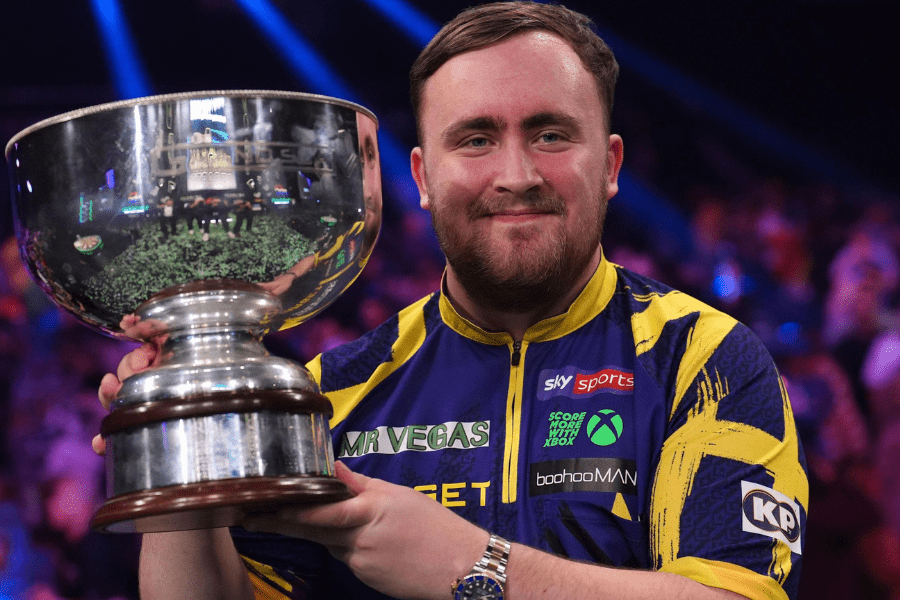

Luke Littler has emerged as one of the defining figures of the 2025/26 World Darts Championship, combining phenomenal scoring with an unusually frank assessment of his own mental game. The 18-year-old English prodigy entered the tournament as the defending champion and has delivered a string of commanding performances that underline his status as the player to beat.
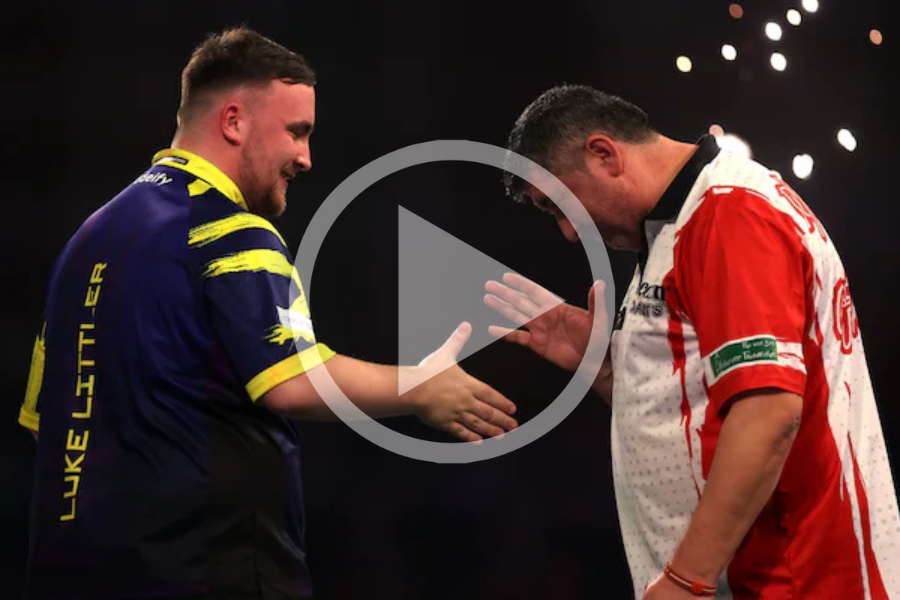
Across his matches at Alexandra Palace, Littler has produced averages and checkout efficiency that place him firmly among the elite in the sport. His recent display against Mensur Suljovic was a masterclass in clinical finishing, highlighted by a remarkable match average of 107.09 — his best performance on the Ally Pally stage to date. Such numbers, paired with checkout success above 70 per cent during key phases, have allowed him to consistently overwhelm seasoned opponents.
Despite this dominance, Littler has publicly acknowledged that his mentality during matches remains a work in progress. While his technical skills appear almost unrivalled, he admitted following his third-round victory: “Mentally on stage I still don’t think I’m that good — I can lose my head a bit.” For a teenager already achieving historic success and widely regarded as the world’s leading player, this candour stands out. He recognises that mental resilience, as much as accuracy and scoring power, is what separates champions from contenders.
In interviews during the championship, Littler reflected on moments of frustration and conceded that his focus can falter under pressure. He spoke openly about the challenge of staying calm when matches tighten, and how even missed doubles can test his concentration. This self-awareness serves as both a critique and a clear indication of his ambition to improve. As he put it, “I know I’ve still got work to do… I can only get better.”
From a statistical perspective, his performances at this year’s championship have been among the most consistent seen at the venue. His ability to hit double-digit maximums while maintaining relentless scoring has repeatedly forced opponents onto the back foot. With high-profile seeds such as Stephen Bunting already exiting the tournament, the path towards retaining the Sid Waddell Trophy appears increasingly open — yet Littler remains mindful that controlling his own temperament may be the decisive factor.
As the tournament advances, Littler’s blend of raw ability and reflective mentality continues to make him one of the sport’s most compelling figures. His openness about the work he still needs to do mentally does not undermine his achievements; instead, it highlights a commitment to becoming not just a great player, but a complete one. If he can pair his record-level scoring with greater composure in the biggest moments, his ambition to secure back-to-back world titles may yet be realised.