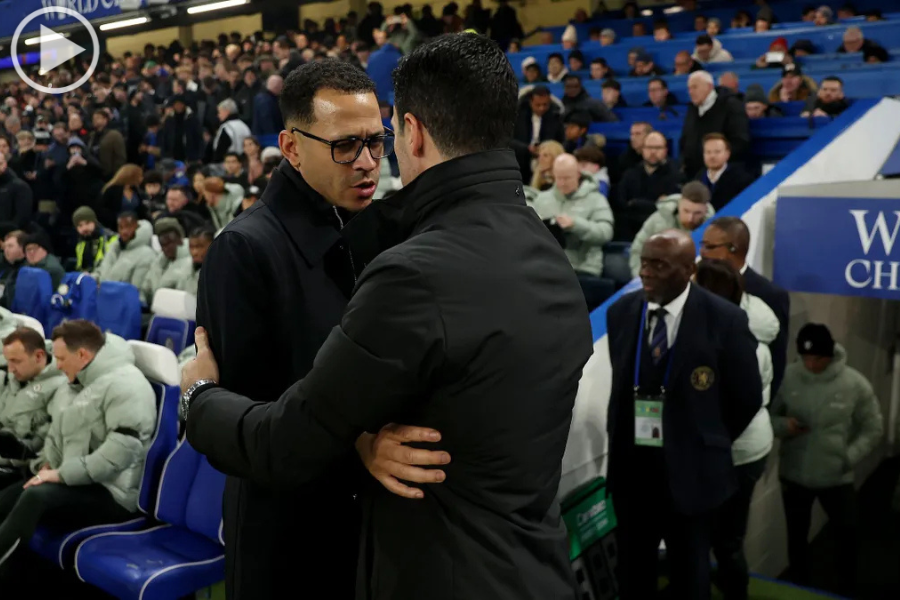


Chelsea have officially ended Enzo Maresca’s tenure as head coach, bringing to a close an 18-month period marked by fluctuating performances, mounting internal tension, and unmet expectations in the Premier League. The decision follows a sustained downturn in form that left the club languishing in mid-table, well adrift of the Champions League qualifying spots.
Maresca arrived at Stamford Bridge with a dogmatic tactical vision built around positional discipline, ball retention, and a rigid build-up structure. Early signs suggested Chelsea were willing to commit to a long-term project, even amid inconsistency. However, patience gradually wore thin as results failed to improve and performances continued to flatter only in isolated phases.
Behind the scenes, relations between the head coach and senior figures at the club deteriorated steadily. Communication breakdowns, disagreements over player roles, and frustration surrounding recruitment strategy contributed to an increasingly strained working environment. There was no single flashpoint, but rather a slow erosion of trust that became impossible to ignore.
Chelsea’s league position proved central to the hierarchy’s final assessment. A run of dropped points against mid-table and lower-ranked opposition saw the side trailing significantly behind the top four, a situation that sat uncomfortably alongside the club’s heavy investment in the squad over recent transfer windows. Expectations were high; the delivery fell short.
Within the dressing room, confidence reportedly ebbed as the season progressed. Several players struggled to fully adapt to Maresca’s uncompromising demands, particularly during a congested calendar that offered little time for tactical recalibration. The sense grew that the project was stalling rather than evolving.
In a brief internal message, Maresca is understood to have conceded that “the conditions for success were no longer aligned”, a tacit admission that the relationship between coach and club hierarchy had fractured beyond repair. The separation was conducted without public acrimony, but with an acknowledgement on both sides that change had become inevitable.
Chelsea are now turning their attention to a successor, with the board expected to favour a head coach capable of immediate stabilisation while handling the pressure that comes with elite-level expectation. Profiles under consideration range from experienced Premier League operators to progressive domestic candidates.
For Maresca, the departure represents a setback rather than a definitive judgment. His reputation as a meticulous, modern coach remains intact, and a return to management appears likely once the dust settles.
As for Chelsea, another managerial reset looms. At a club where investment is vast and patience thin, the next appointment will once again step straight into football’s most unforgiving hot seat.