


- 22’ – Chelsea: Marc Cucurella (Red Card)
- 55’ – Fulham: Raul Jimenez
- 72’ – Chelsea: Liam Delap
- 81’ – Fulham: Harry Wilson
Liam Rosenior has assumed control of Chelsea during one of the most volatile periods in the club’s recent history. Signed to a six-year contract with an option for a further year, he inherits a squad rich in young talent yet struggling for experience and consistency. Chelsea’s 2-1 defeat to Fulham at Craven Cottage leaves the Blues in eighth place in the Premier League, emphasizing the urgency of his mission.
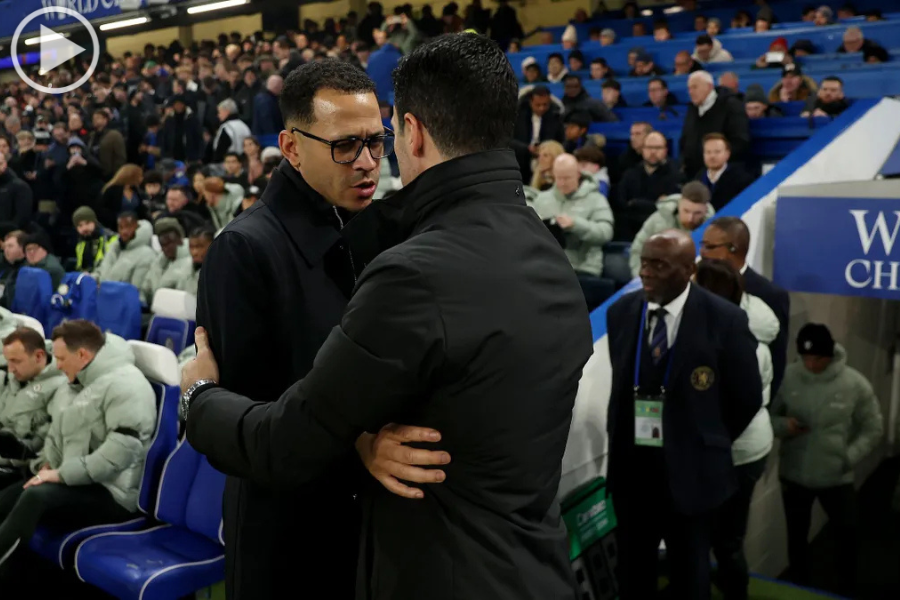
Rosenior observed the match from the directors’ box, alongside co-owner Behdad Eghbali, while interim coach Calum McFarlane oversaw proceedings on the pitch. The match was defined early by Marc Cucurella receiving a red card in the 22nd minute, leaving Chelsea 10 players on the field for the remainder of the game. This sent a clear signal about the disciplinary and organisational challenges Rosenior is set to face.
Match analysis: goals and key moments
Fulham opened the scoring through Raul Jimenez on the 55th minute with a header into the bottom right corner. Chelsea responded via Liam Delap’s equaliser in the 72nd minute, taking advantage of Fulham’s struggles to defend set pieces. The decisive moment came in the 81st minute, when Harry Wilson netted a low volley, securing a 2-1 victory for the hosts.
Chelsea had five corners and 14 shots, but only four were on target, reflecting difficulties in converting possession into goals. Fulham, meanwhile, managed the game effectively despite fewer overall attempts, showing clinical finishing when it mattered.
Discipline and defensive struggles
The match emphasised Chelsea’s ongoing disciplinary problems. In addition to Cucurella’s red card, Enzo Fernandez, Tosin Adarabioyo, and Cole Palmer received yellow cards, while McFarlane was also booked for dissent. Combined with the injury to Caicedo later in the game, Chelsea operated at 9-10 men at different points, underlining the chaotic circumstances Rosenior must address.
Defensively, Chelsea allowed multiple dangerous situations from Fulham’s counters and set pieces. Goalkeeper Sanchez made several crucial saves, but the team’s organisation and communication were repeatedly tested.
Squad composition and tactical challenges
Insiders describe the squad as a “mish-mash” of youth and sporadic senior leadership. Chelsea have won only 1 of their past 9 league games, scoring 11 goals while conceding 16, illustrating inconsistent attacking and defensive output. Overstocked positions, unsettled full-backs, and unreliable goalkeeping mean Rosenior’s first task is to bring structure and clarity, likely focusing on positional discipline, transitional play, and pressing organisation.
On the attacking side, Neto, Palmer, and Caicedo created several chances, but many were blocked or saved, highlighting inefficiencies in execution.
Fan discontent and multi-club dynamics
Off the pitch, fan dissatisfaction is at a peak. Supporters directed chants against the owners, nostalgically recalling Roman Abramovich, while showing indifference to Rosenior. Rebuilding this fractured relationship will be as critical as reorganising the squad.
Rosenior arrives from Strasbourg, Chelsea’s French sister club, where his side averaged just 20.4 years, one of the youngest XIs in Europe’s top five leagues. His departure caused controversy in Alsace, highlighting multi-club ownership pressures under BlueCo. Translating a youth-oriented philosophy to a high-pressure Premier League environment will require balancing potential with immediate performance.
Immediate fixtures and stakes
Chelsea face a demanding schedule, testing Rosenior’s tactical acumen and squad management:
- FA Cup third-round tie at Charlton Athletic – first official match as head coach
- Carabao Cup semi-final vs Arsenal – two-legged tie demanding strategic rotation
- Premier League home game vs Brentford – an early test of credibility
With Champions League qualification the minimum expectation, results will dictate early assessments of Rosenior’s impact.
Coach’s perspective
Rosenior acknowledged the challenges ahead:
“Believe in what is an amazing football club, believe in the players, and when you give energy to the team, you help them win. That’s why we are here. I can’t wait to meet them and do that soon.”
Conclusion
Inheriting a squad of raw potential, navigating fan unrest, and operating under a multi-club ownership model, Rosenior faces a baptism of fire. Discipline, consistency, and trust-building are his immediate priorities. The Premier League standings, defensive statistics, and disciplinary record indicate Chelsea must rapidly adapt to meet historic standards, or risk sliding further in a highly competitive campaign.