
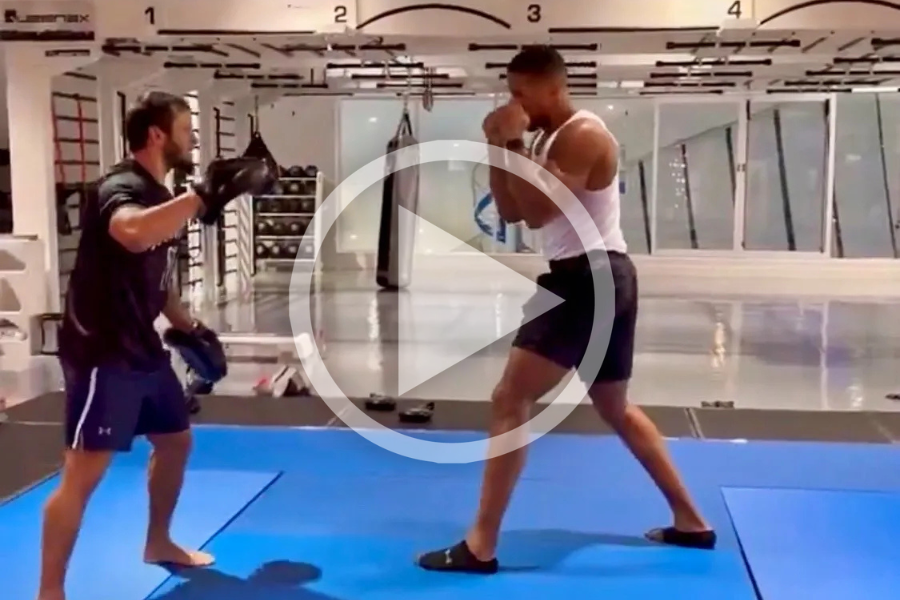

Anthony Joshua has shared his first footage of training since the tragic car crash that claimed the lives of two close friends, posting a series of clips on Snapchat captioned: “Mental strength therapy.”
The former heavyweight world champion, 36, was involved in the accident on 29 December 2025 while on holiday in Nigeria. Although he escaped with minor physical injuries, the crash killed his long-time team members and friends Sina Ghami and Latif “Latz” Ayodele, leaving Joshua and the wider boxing community devastated.
In the video, Joshua is seen working lightly in the gym, hitting pads without gloves or handwraps, underlining that the session was more of a shake-out than a full training workout. He also shared footage from the exercise bike and later from a swimming pool, showing that his return to movement is part of a broader recovery process rather than preparation for competition.
The clips marked his first public training appearance since the crash and were accompanied by a renewed pledge to support the families of his late friends, echoing his “my brother’s keeper” message.
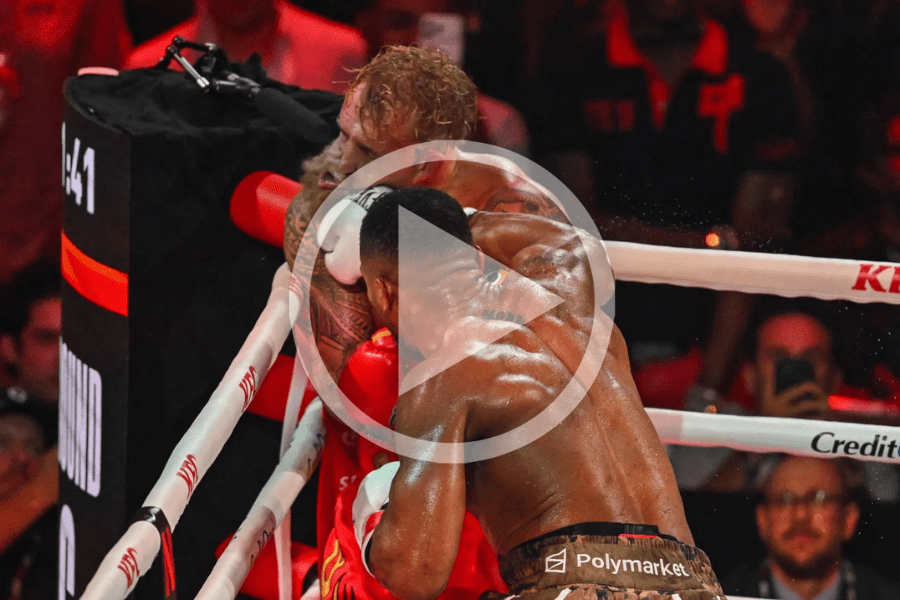
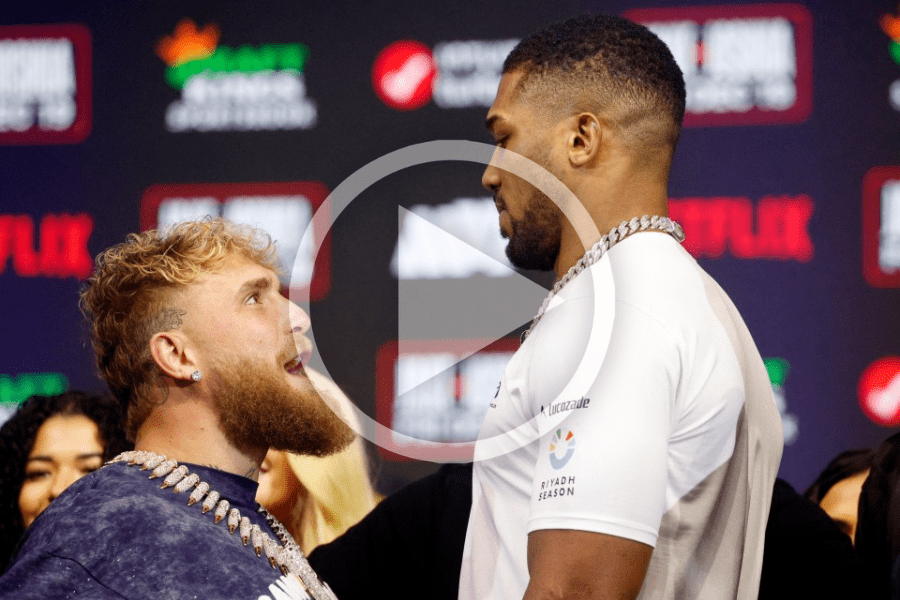
Joshua had been enjoying a high point in his career before the tragedy, having knocked out Jake Paul in Miami just ten days earlier. The sudden loss came during what had been a triumphant period of his comeback, making the emotional impact even more profound.
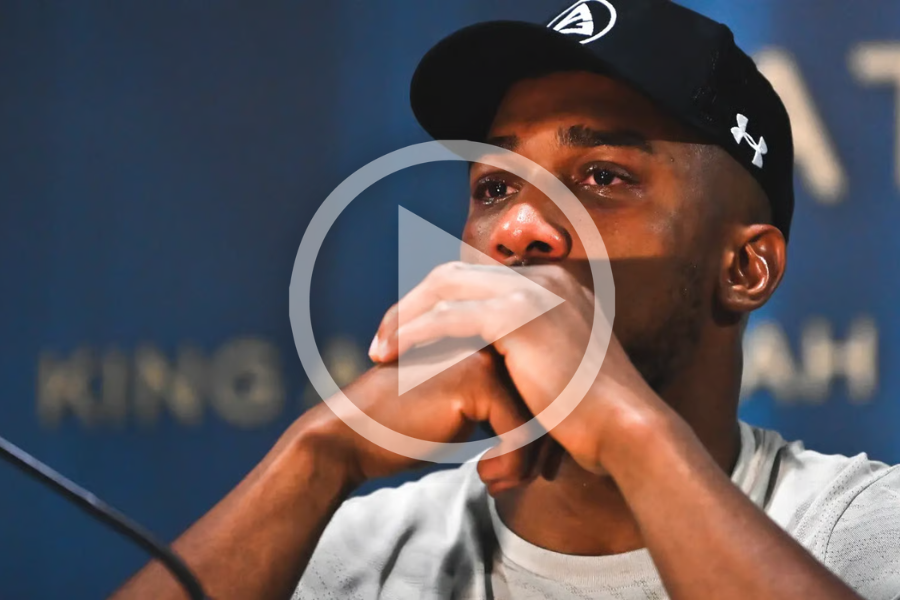
In a previous tribute, Joshua described Ghami and Ayodele as “great men” whose value he only fully realised after losing them. He admitted the situation was tough but stressed that the grief carried by their families was far greater, adding that his focus was on strength of mind and faith.
Promoter Eddie Hearn has urged patience regarding any return to competitive boxing. He said Joshua would need time “physically, mentally, emotionally and spiritually” before making decisions about his future, adding that conversations for now are centred solely on his well-being.
While speculation around his career continues, Joshua’s return to light training signals something more personal than professional ambition. It represents resilience, routine and a first step forward after profound loss — a reminder that recovery in sport is not only physical, but deeply human.