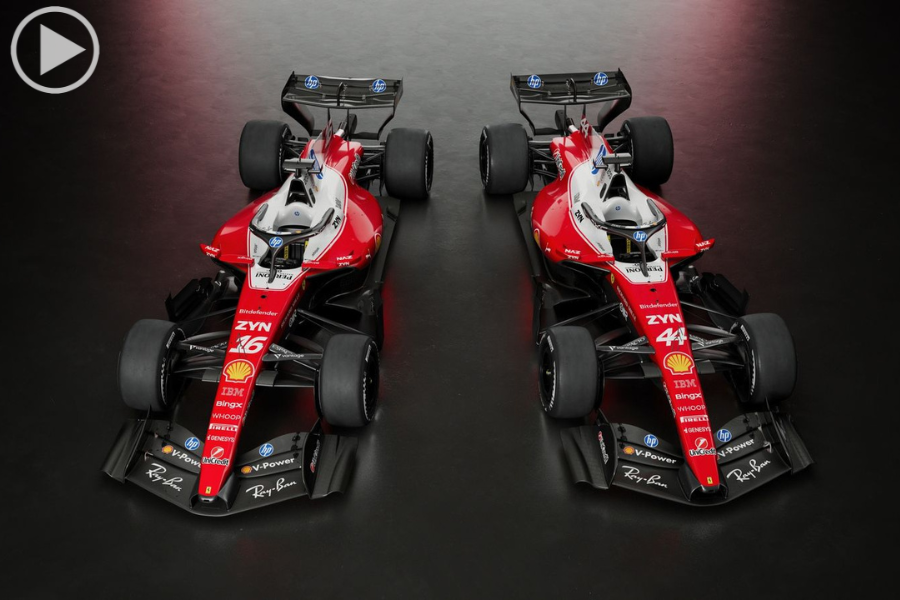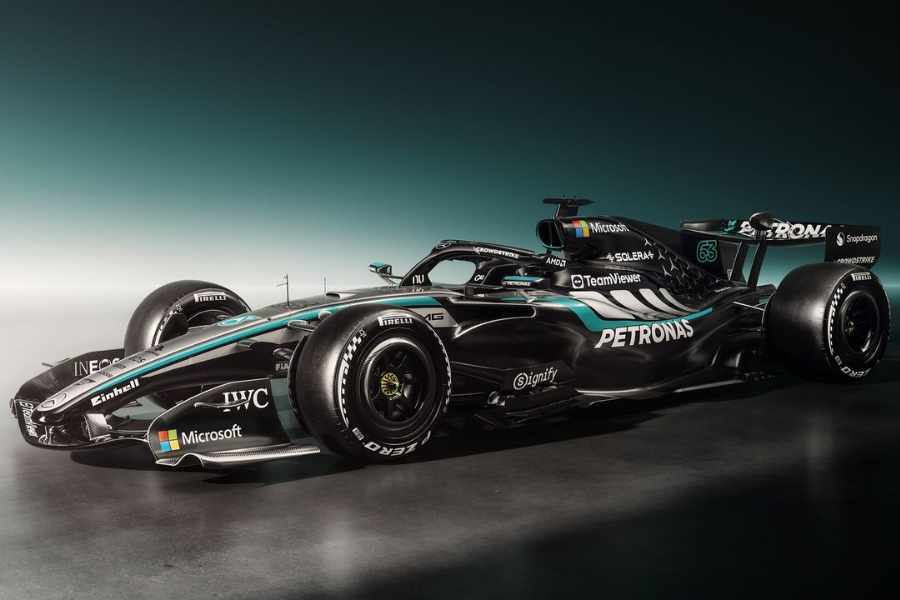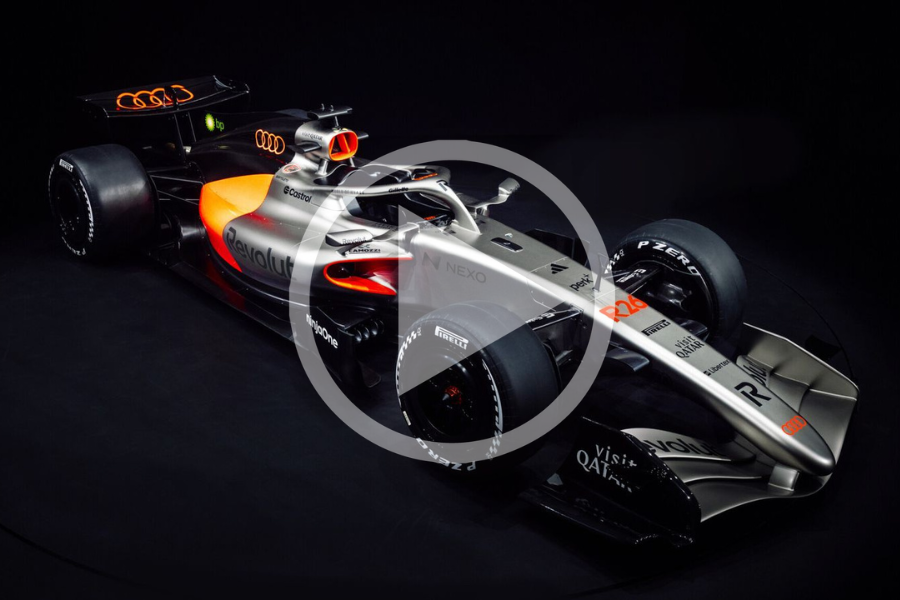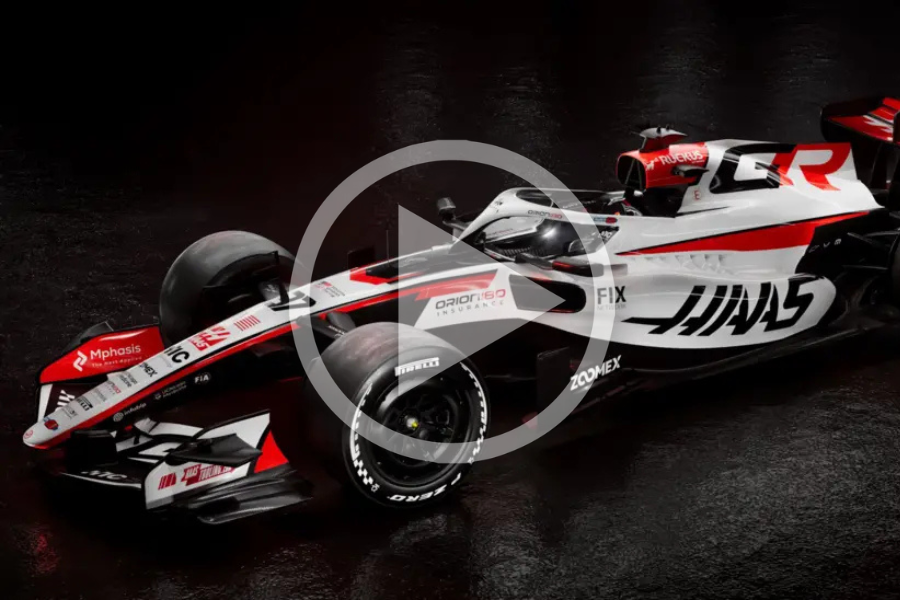

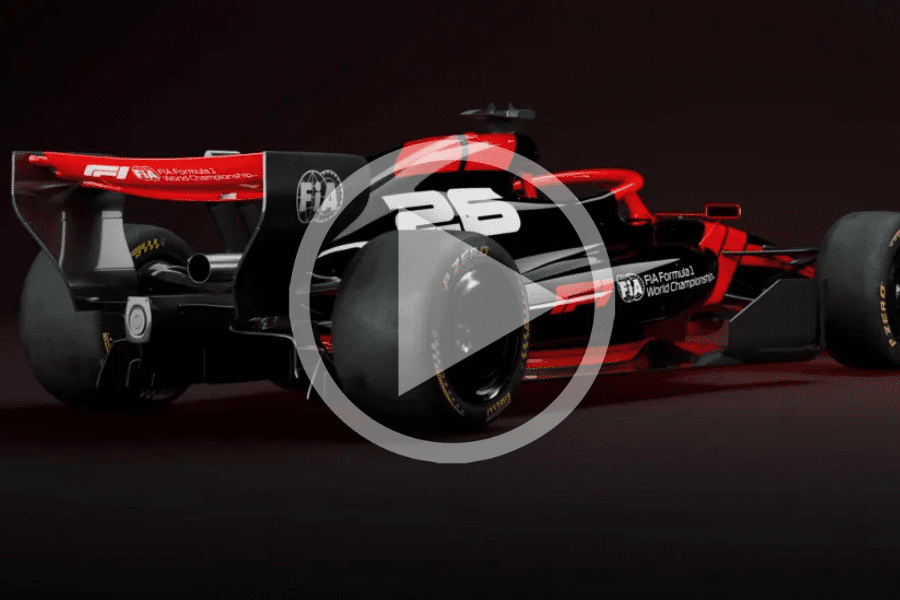
The 2026 Formula 1 season will usher in a new era for the sport, introducing one of the most comprehensive rule changes seen in decades. At the heart of this transformation is a complete rethink of how overtaking works, with the long-used Drag Reduction System removed and replaced by a combination of power deployment modes and active aerodynamics. The aim is clear: closer racing, greater driver control and more varied on-track battles.
One of the headline innovations is Overtake Mode, designed to give drivers a controlled power advantage when attempting to pass another car. Unlike the previous system, which relied on predefined zones and automatic wing adjustments, Overtake Mode can be activated by the driver during racing situations. This change shifts responsibility from the circuit layout to the driver’s judgement, encouraging tactical thinking and precise timing when attacking.
Alongside this comes Boost Mode, a separate function that allows drivers to access maximum combined output from the power unit for short periods. Boost Mode can be used both offensively and defensively, adding a strategic element to energy management throughout a race. Drivers will need to decide whether to deploy it early for track position or save it for crucial moments later in the race, making decision-making as important as outright speed.
Aerodynamics will also look very different in 2026 thanks to the introduction of Active Aero. Front and rear wings will be capable of switching between two main configurations: a high-downforce setting for corners and a low-drag setting for straights. This dynamic approach allows cars to adapt to different parts of the circuit, improving racing flow and reducing the reliance on artificial overtaking aids.
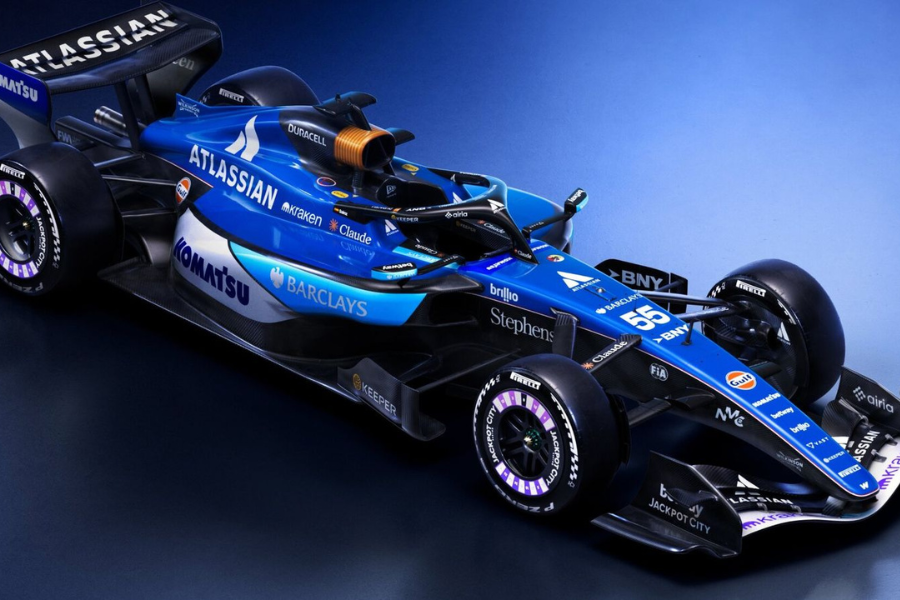
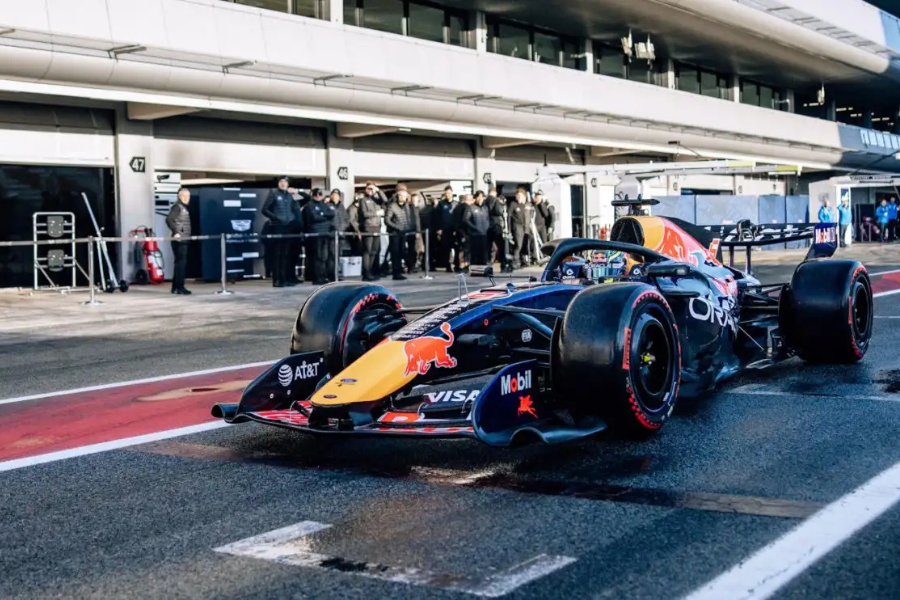
The cars themselves will be smaller, lighter and more agile. Reduced dimensions and lower overall weight are intended to improve handling and responsiveness, while narrower tyres will place a greater emphasis on driver skill. With less overall downforce and drag, drivers will need to manage grip carefully, especially during close battles and long stints.
Power units will continue to use a 1.6-litre V6 hybrid format, but with a much stronger focus on electrical power. Around half of the total output will come from the electric component, highlighting Formula 1’s push towards efficiency and sustainability. The removal of certain complex hybrid elements simplifies the system while placing more importance on how drivers deploy energy during a lap.
Together, these changes are designed to make Formula 1 racing more unpredictable and engaging. By replacing DRS with systems that demand active driver input, the sport is moving towards a model where skill, strategy and timing play a greater role in overtaking. The 2026 regulations represent not just a technical update, but a philosophical shift towards racing that rewards intelligence and bravery as much as raw performance.