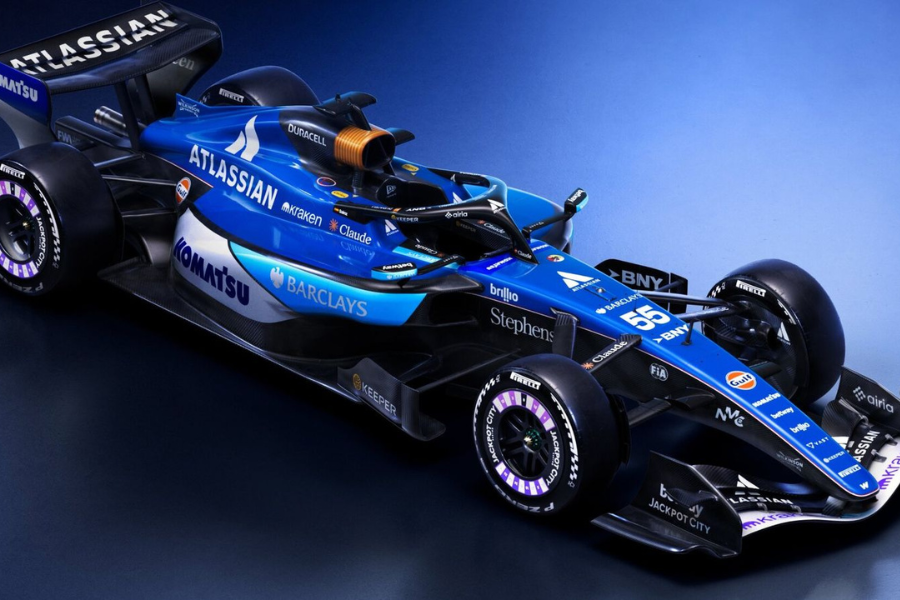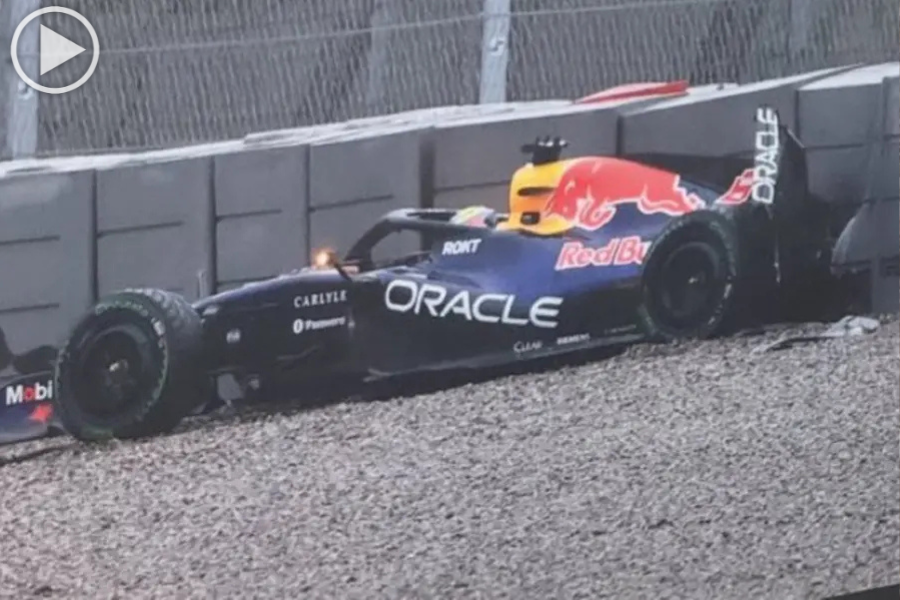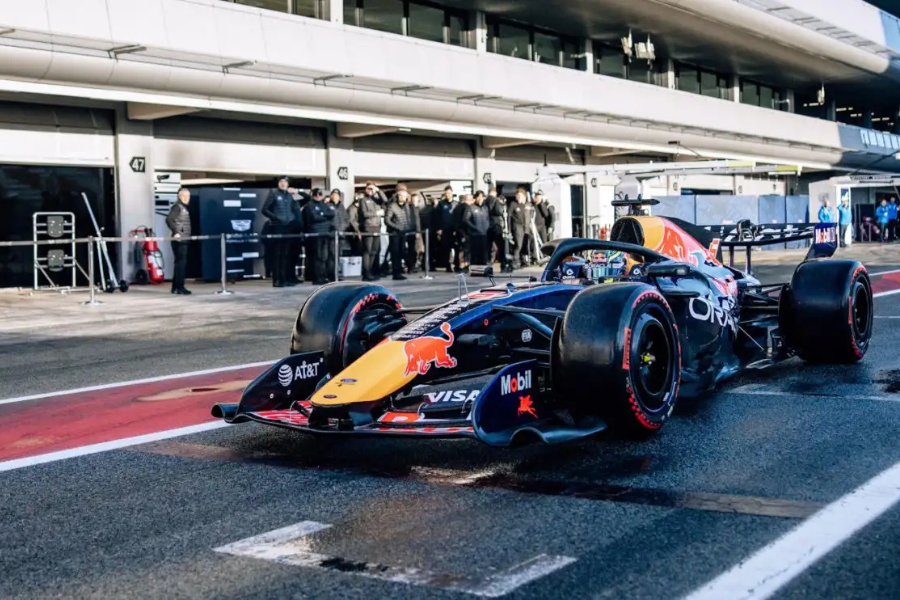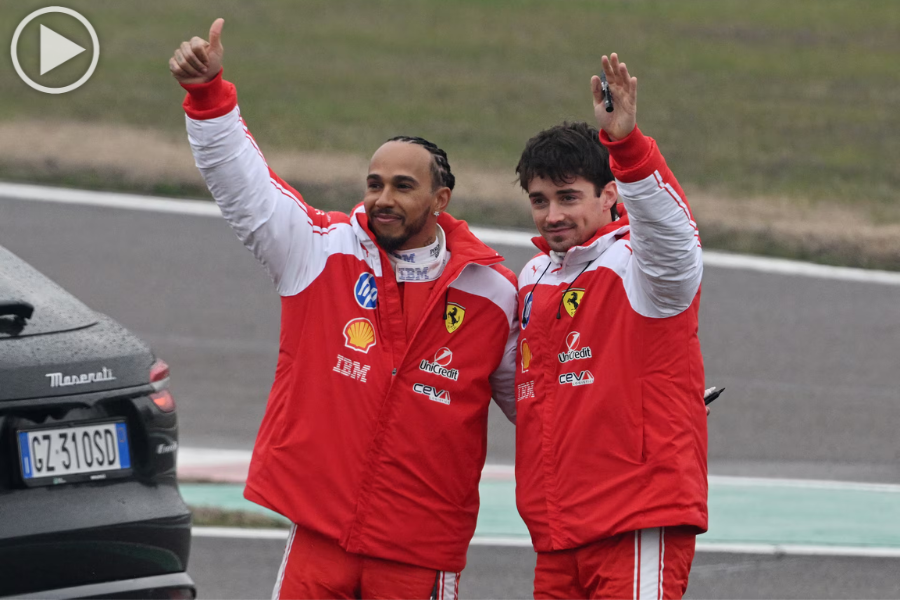

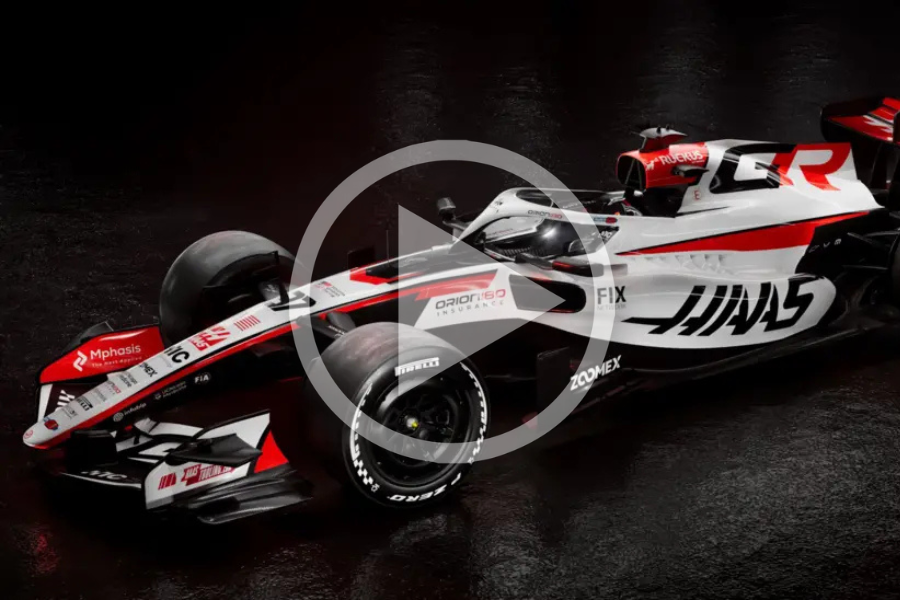
Time to turn heads. This is the VF-26 🤩#HaasF1 #F1 pic.twitter.com/navqIquZeF
— TGR Haas F1 Team (@HaasF1Team) January 19, 2026

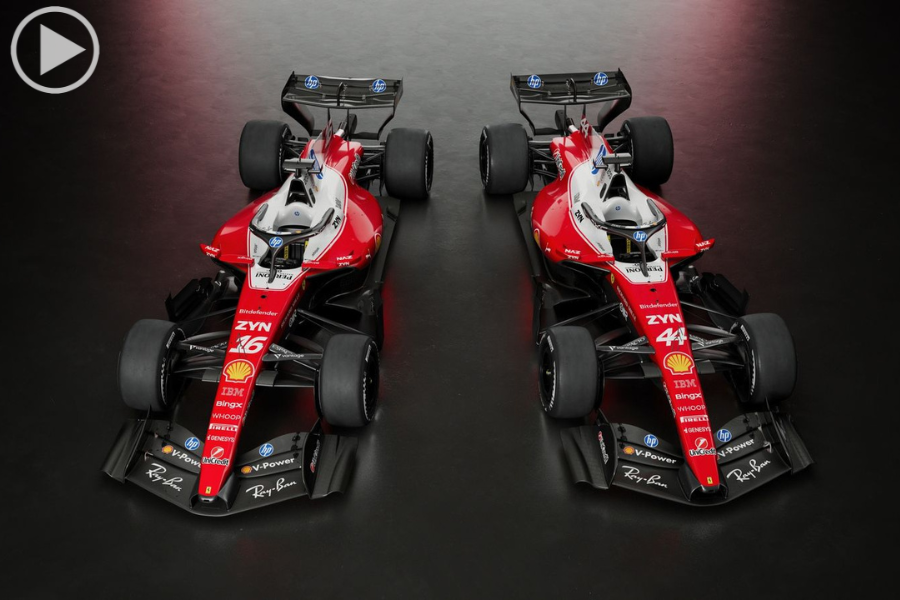
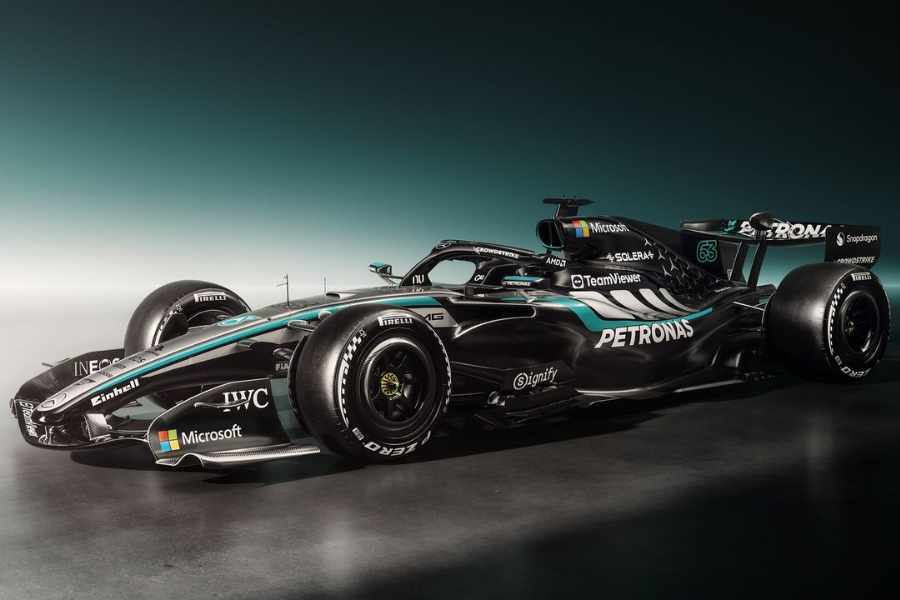
Haas have moved decisively into Formula 1’s new era by becoming the first team to reveal an all-new 2026 challenger, unveiling digital images of the VF-26 months before the opening round in Australia. While rival outfits have shown revised liveries on show cars, the American-owned team has offered the sport’s first real glimpse of what the next generation of Formula 1 machinery will look like.
The VF-26 immediately reflects the scale of the regulation overhaul. It is visibly slimmer and lighter than its predecessor, featuring radically different front and rear wings designed around a new aerodynamic philosophy. These changes reduce not only downforce but also drag, shifting the performance balance towards efficiency and race-to-race adaptability rather than outright cornering load.
Haas are not the only newcomers shaping the early narrative of 2026. Cadillac have already conducted a discreet shakedown of their own new car at Silverstone, but their images were deliberately obscured, revealing little of the underlying concept. That contrast makes Haas’ early publication of full renders even more significant, positioning the team as the first to meaningfully lift the veil on the new generation of cars.
Alongside the new chassis, Haas introduced a refreshed livery that departs from the heavy carbon-black look of recent seasons. Larger white areas now dominate the bodywork, complemented by bold red accents that reflect the team’s strengthened partnership with Toyota Gazoo Racing. The visual shift mirrors a broader reset across the sport as Formula 1 enters its most transformative technical cycle in decades.
Team principal Ayao Komatsu described the early launch as both surreal and necessary, given the compressed development timelines created by the new regulations. “It feels almost a bit surreal to be unveiling a new car this early,” he said, “but it’s not any less exciting venturing into a new F1 campaign, especially one with such a change in regulations. It’s been a monumental effort from everyone on the team.”
At the heart of the transformation is the new power-unit formula. The engines remain 1.6-litre V6 turbo hybrids, but their electrical components are now three times more powerful than before and can provide up to 50% of the total output. Combined with the switch to 100% sustainable fuel, produced from waste biomass or synthetic industrial processes, the emphasis of performance has shifted decisively towards energy management. Drivers and engineers must now balance battery deployment and recovery multiple times per lap, turning efficiency into a defining competitive variable.
Haas will begin unlocking that complexity during three dedicated pre-season testing sessions. The first takes place behind closed doors in Barcelona from 26–30 January, followed by two official tests in Bahrain on 11–13 February and 18–20 February, before the season opens in Australia in early March. Komatsu stressed that these sessions will be crucial to understanding both single-lap performance and longer-run race behaviour under the new energy limits.
Haas arrive into 2026 with quiet momentum. The team finished eighth in last year’s Constructors’ Championship but recorded their second-highest points haul in a decade, suggesting underlying progress as the field resets. With continuity in leadership and driver line-up, they hope to capitalise on the regulation overhaul rather than be destabilised by it.
Britain’s Oliver Bearman and France’s Esteban Ocon remain together for a second season, blending youthful momentum with experience. Bearman, who impressed in his rookie year with five consecutive points finishes and a career-best fourth place in Mexico, believes his biggest advantage in 2026 will be familiarity rather than raw speed.
“I’m most excited to return to circuits where I’ve already raced,” Bearman said. “Last year I was going to tracks where others had been 10 or 11 times. Even one full race weekend’s experience changes how you understand tyre behaviour, track evolution and race preparation. That’s going to put me in a much better place this season.”
For Ocon, the consistency and technical clarity he brings are expected to be vital in a year when energy deployment strategies and aerodynamic concepts could diverge rapidly between teams. Early reliability and adaptability may prove just as decisive as outright pace during the opening phase of the campaign.
Crucially for Haas, being first to reveal a true 2026 car is more than a symbolic milestone. It signals confidence in their concept and provides a benchmark for rivals still operating behind closed doors. With competitors such as Cadillac keeping their designs tightly guarded and others yet to show anything beyond show cars, the VF-26 becomes the reference point for Formula 1’s boldest reset in generations.
As the sport prepares for a season defined by smaller cars, sustainable fuel, radically different aerodynamics and unprecedented energy management demands, Haas have ensured they are not merely reacting to change. By unveiling the VF-26 first, they have placed themselves firmly at the forefront of Formula 1’s new era.