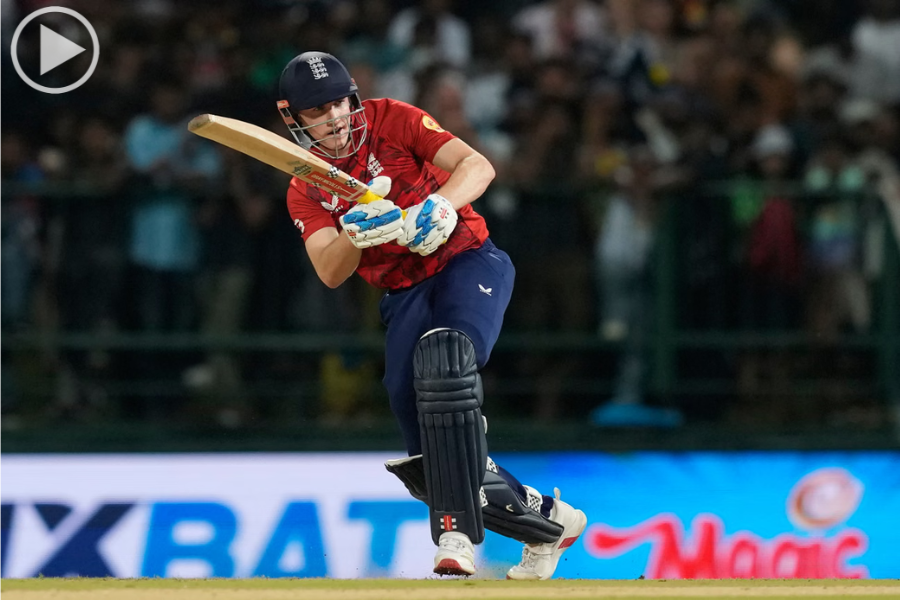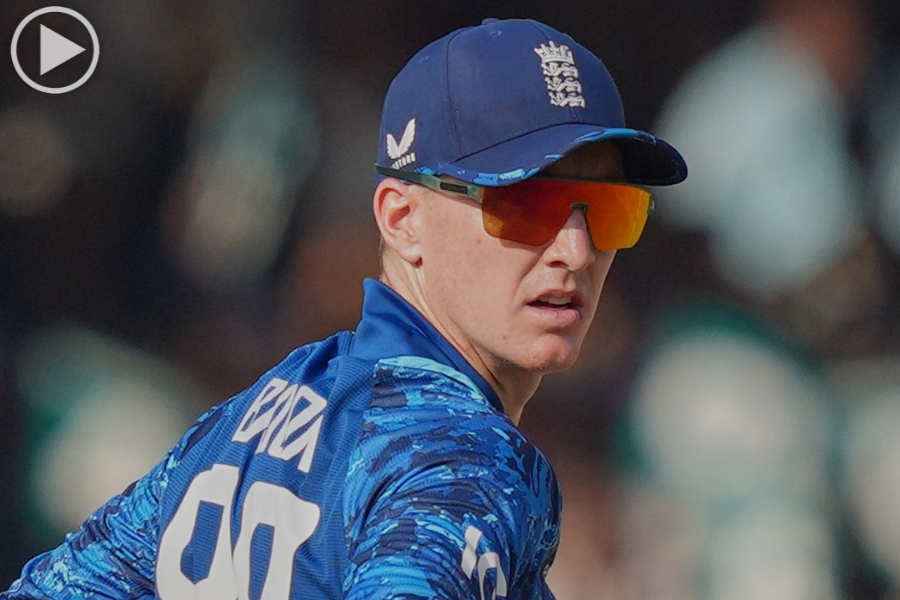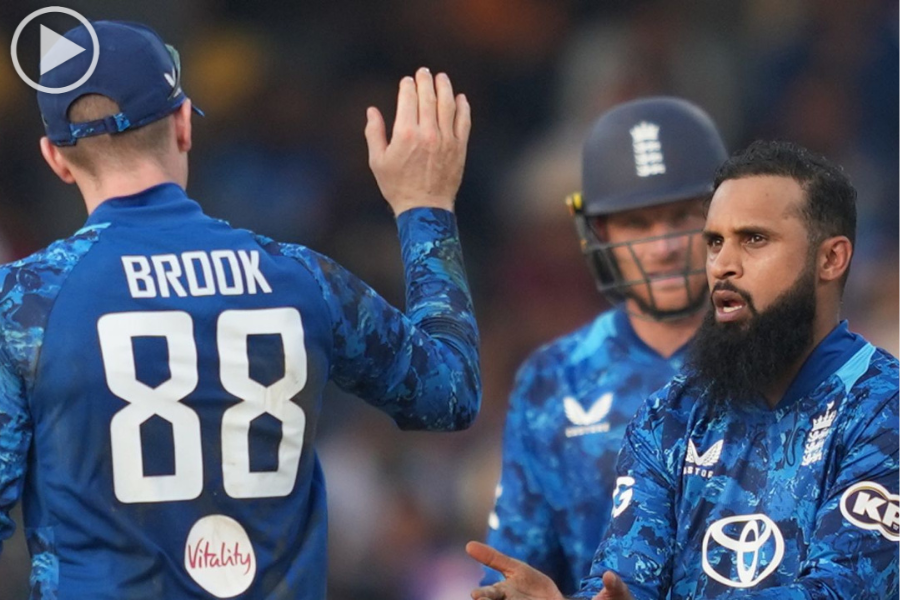



Harry Brook starts England’s tour of Sri Lanka under intense scrutiny, not only for results on the field but for the standards he now represents off it. The 26-year-old batter retained the white-ball captaincy after an altercation with a nightclub bouncer in New Zealand — his first overseas tour as captain — an incident he called “a terrible mistake” and one that forced him to confront the responsibilities attached to leadership at international level.
Brook admitted he was fortunate to keep his role, acknowledging that the episode came at a damaging time for an England side already struggling for consistency away from home. “It’s not acceptable as a player, but as a captain it’s really not acceptable,” he said, adding that he had apologised to teammates and management alike. The response, both from within the squad and the England and Wales Cricket Board, has been firm but measured, with a heavy fine issued and expectations clearly reset.
Now, as England open a three-match ODI series in Colombo followed by three T20 internationals in Pallekele, Brook’s task is twofold: to reassert personal authority while guiding a rebuilding side towards sharper performances in subcontinental conditions. Crucially, the tour represents the final stage of preparation for the ICC Men’s T20 World Cup, which begins on 9 February 2026 in India and Sri Lanka, leaving England little margin for error in their last competitive rehearsal.
The leadership context has also shifted. Brook officially succeeded Jos Buttler as England’s white-ball captain in April last year, and Buttler now travels solely as a senior player rather than part of the formal leadership structure. His experience remains valuable in pressure situations, but the authority and accountability now rest squarely with Brook.
Brook revealed that one of the most significant conversations he had following the New Zealand incident was with Ben Stokes, England’s Test captain, who endured a highly publicised nightclub altercation in Bristol in 2017. Brook said Stokes “wasn’t best pleased” but offered perspective and support, drawing on his own experience of rebuilding trust after adversity. The exchange reinforced the broader theme of accountability within England’s leadership group and underlined the importance of learning rather than deflecting.
The backdrop to the Sri Lanka tour is not ideal. England arrive after a winless run in overseas one-day internationals and a bruising Ashes campaign that exposed flaws in preparation and execution. Critics questioned discipline during that tour, particularly after images emerged of players socialising during a mid-series break. Brook has rejected the idea of a wider drinking culture, insisting the squad is mature enough to manage downtime responsibly. Nevertheless, a midnight curfew has been introduced for the Sri Lanka trip, a visible marker of tighter controls.
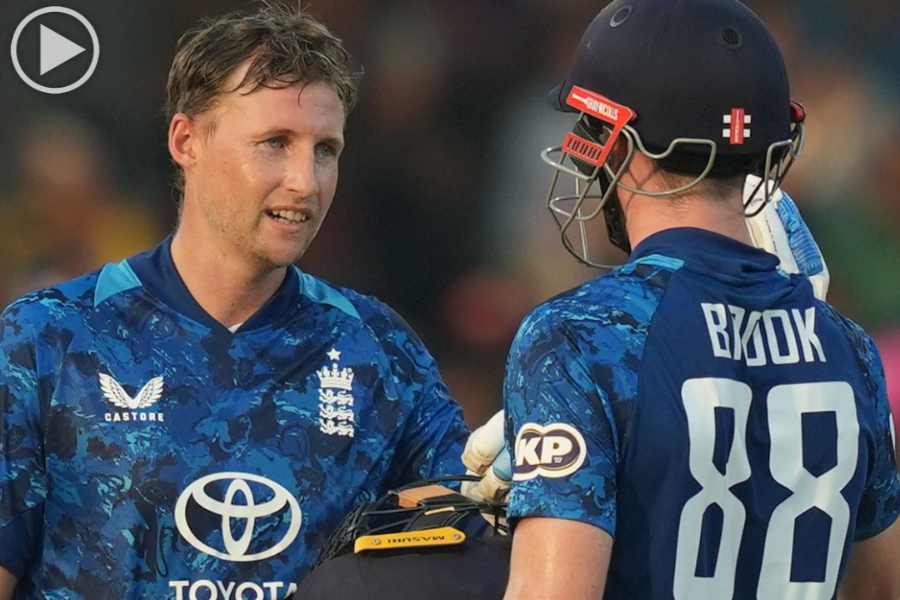
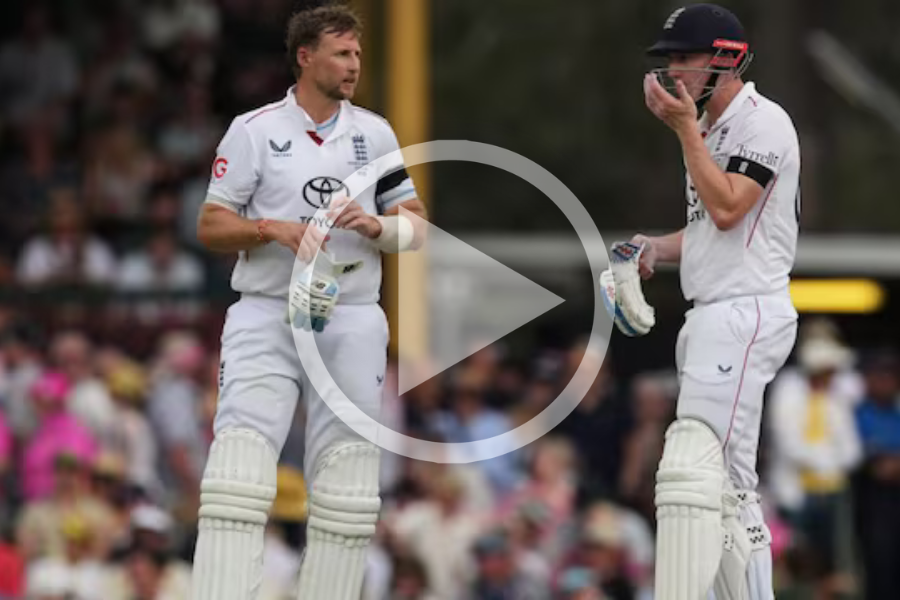
On the field, England’s selections suggest a renewed emphasis on balance and flexibility. Ben Duckett and Zak Crawley are set to reunite at the top of the order in 50-over cricket, offering a contrasting left-right opening pair capable of unsettling bowling attacks early. Joe Root anchors the middle order, while Buttler’s finishing power remains an important asset despite his shift away from captaincy.
Brook’s own batting form will be under the microscope. Though productive in patches during the Ashes, he fell short of the dominance expected of England’s premier stroke-maker. He has been candid about needing greater consistency but insists responsibility does not have to blunt aggression. “We won’t be taking these games lightly,” he said. “Every tour we go on, we want to win.”
Sri Lanka, meanwhile, represent a stern test in familiar conditions. With a core of experienced white-ball players and a bowling attack well suited to slow surfaces, the hosts are likely to probe England’s adaptability and patience. For Brook, that examination extends beyond tactics and totals. His calmness in decision-making, management of pressure moments and ability to unify a squad navigating recent turbulence will be as telling as any run tally.
Perhaps the most significant development has been Brook’s openness. Rather than deflecting blame, he has acknowledged the scale of the misjudgement and framed it as a learning moment. “I’ve got a little bit of work to do to regain the trust of the players,” he admitted, adding that leadership now demands sharper awareness of how personal actions reflect on the group.
With the first ODI under way in Colombo, the focus will naturally return to cricket. Yet the subtext remains unavoidable. This tour is not simply about rebuilding form; it is about establishing credibility ahead of a global tournament that begins in a matter of weeks. For Brook, every decision carries added weight — and this series represents the first real test of how he has grown since his toughest moment in charge.
England Tour of Sri Lanka 2026 — Match Schedule (UK Times)
| Date | Match | Venue | Start Time |
|---|---|---|---|
| 22 January | 1st ODI | R. Premadasa Stadium, Colombo | 09:00 GMT |
| 24 January | 2nd ODI | R. Premadasa Stadium, Colombo | 09:00 GMT |
| 27 January | 3rd ODI | R. Premadasa Stadium, Colombo | 09:00 GMT |
| 30 January | 1st T20I | Pallekele International Stadium | 13:30 GMT |
| 1 February | 2nd T20I | Pallekele International Stadium | 13:30 GMT |
| 3 February | 3rd T20I | Pallekele International Stadium | 13:30 GM |