

Admission Comes at a Sensitive Moment
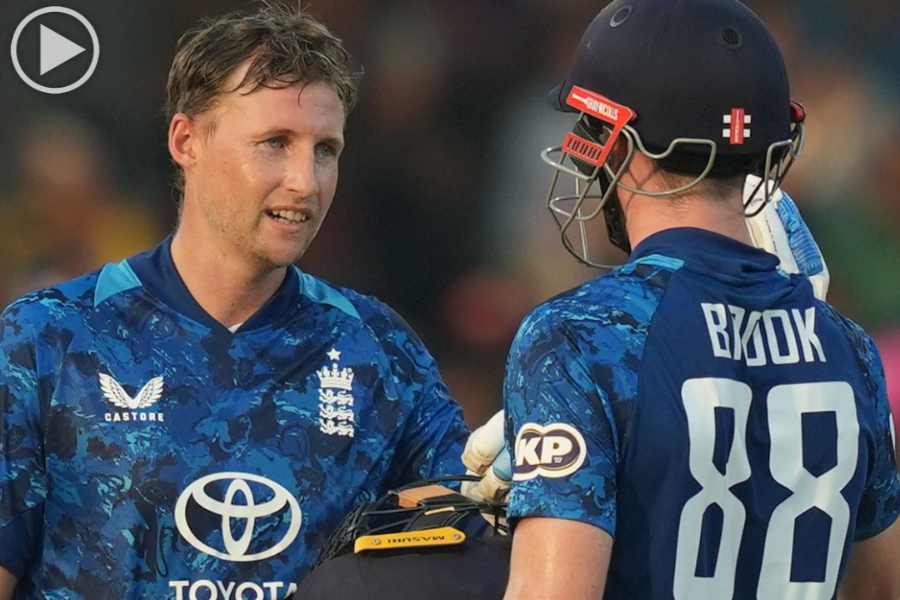
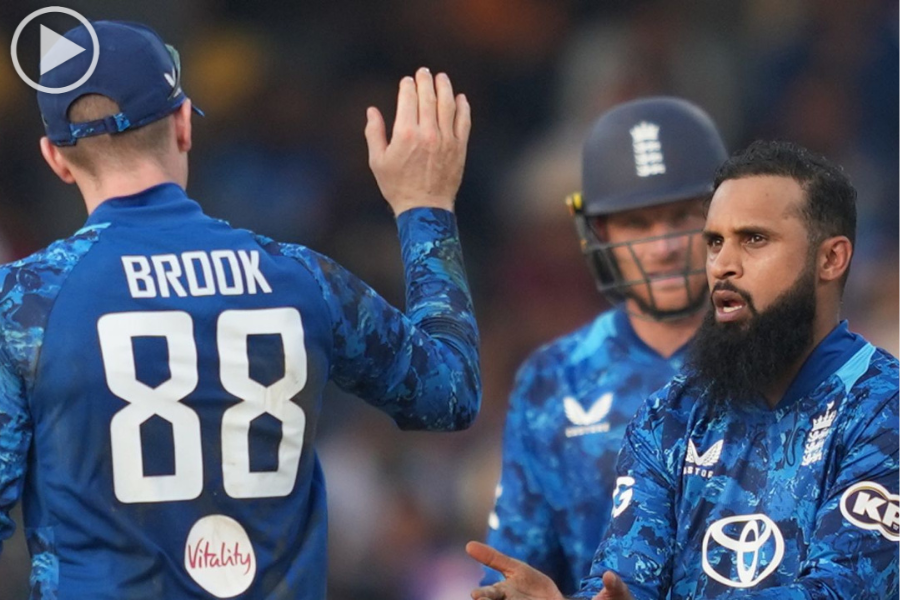
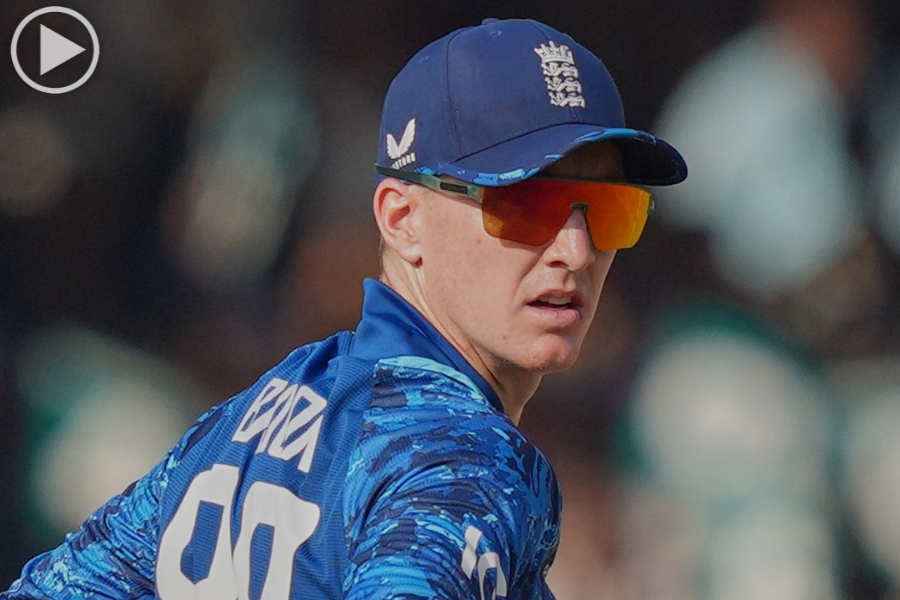
England’s white-ball preparations have been unsettled by Harry Brook’s admission that he misled the public about a nightclub altercation in Wellington, an incident that occurred on 1 November, the night before the third ODI against New Zealand. The 26-year-old captain confirmed that teammates were present, reversing his earlier claim that he had been alone.
Brook said he had tried to shield others from attention, explaining that he wanted to “hold my hands up” and take full responsibility. He added that even if he had lost the captaincy, he would have accepted it, saying he would have been “perfectly fine with getting sacked as long as I was still playing cricket.”
Independent Regulator Now Involved
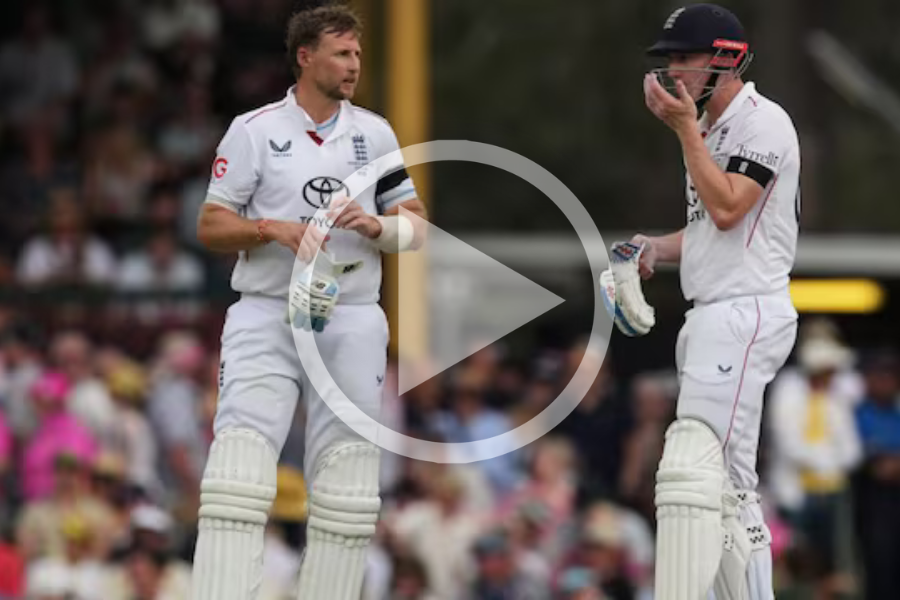
The episode has escalated beyond internal discipline, with the Cricket Regulator — an independent body separate from the ECB — now reviewing the conduct of Jacob Bethell and Josh Tongue, who were also present that evening. Brook has already been fined by the ECB, but further sanctions remain possible due to the regulator’s authority to impose suspensions or additional penalties.
This distinction matters, as England’s management had previously handled the matter privately, believing it closed. The regulator’s involvement suggests the consequences may not yet be final.
Ashes Fallout Deepens Pressure
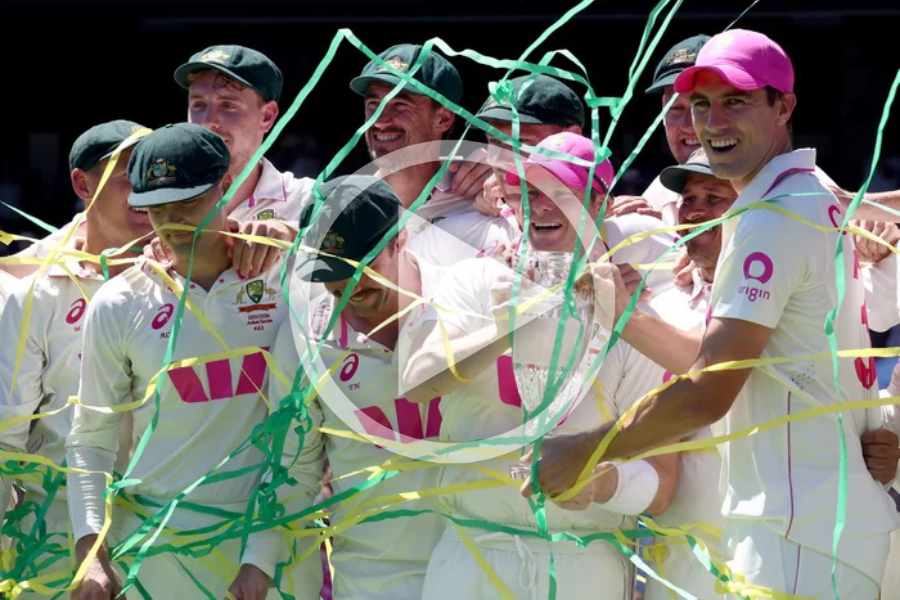
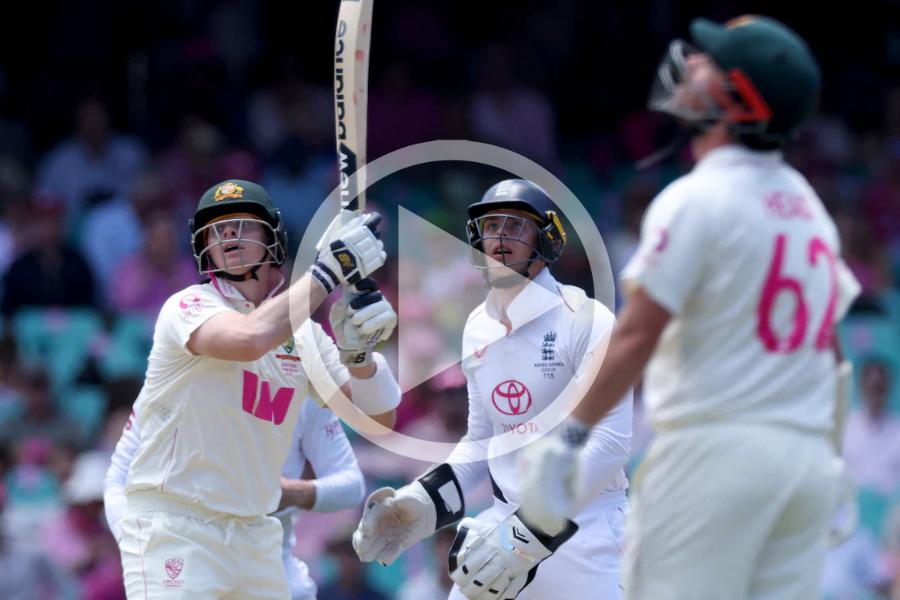
News of the incident only emerged publicly after England’s 4–1 Ashes defeat in Australia, amplifying criticism of team culture and leadership. The timing intensified scrutiny around England’s off-field standards, especially following widely reported mid-tour socialising during the series.
What had initially been treated as a confidential disciplinary issue became symbolic of broader concerns about professionalism during a difficult winter.
Brook’s Leadership Under the Microscope
Brook was appointed Jos Buttler’s successor as white-ball captain, but Buttler remains in the squad as a player and is part of England’s current touring group. Brook admitted he still has “a little bit of work to do to regain the trust of the players” after apologising to teammates in Sri Lanka.
He acknowledged that the standards expected of a captain are higher, saying his behaviour in New Zealand was “really not acceptable” given his leadership role.
Sri Lanka Tour vs World Cup in India
England are currently touring Sri Lanka, where they have already secured a 2–1 ODI series win, with Brook scoring a decisive century in the decider and contributing in the opening T20I victory.
However, the T20 World Cup itself will be staged primarily in India, with Sri Lanka as co-hosts. England’s campaign begins in Mumbai against Nepal, placing Brook’s leadership directly under global scrutiny within days.
A Defining Test Before the Biggest Stage
For Brook, the episode represents a defining moment early in his captaincy. His public acceptance of fault, rather than deflection, signals a shift towards accountability. Yet credibility in leadership is rebuilt through consistency, not statements.
With England’s on-field form improving and the world’s attention soon turning to India, Brook’s challenge is to ensure the narrative moves back to cricket — and stays there.