


Raheem Sterling’s Chelsea career is officially over, with the winger leaving Stamford Bridge by mutual agreement after three and a half years that promised far more than they ultimately delivered. Once one of the Premier League’s most feared attackers, Sterling departs as a free agent — and with the strange distinction of spending the past season training in a different building from his own teammates.
The 31-year-old arrived in west London in the summer of 2022 as Chelsea’s first major signing under new ownership, a £47.5m statement of intent following his trophy-laden spell at Manchester City. Two full seasons followed, neither disastrous nor decisive, before the relationship unravelled completely under head coach Enzo Maresca.
Last summer, Sterling was informed he was no longer part of Maresca’s plans. He did not merely lose his place in the starting XI — he lost access to the squad altogether. Training alone, arriving and leaving at separate times, and operating out of a different building, Sterling became part of Chelsea’s now infamous “bomb squad” of unwanted senior players. For a footballer earning £325,000 a week, it was isolation on a premium salary.
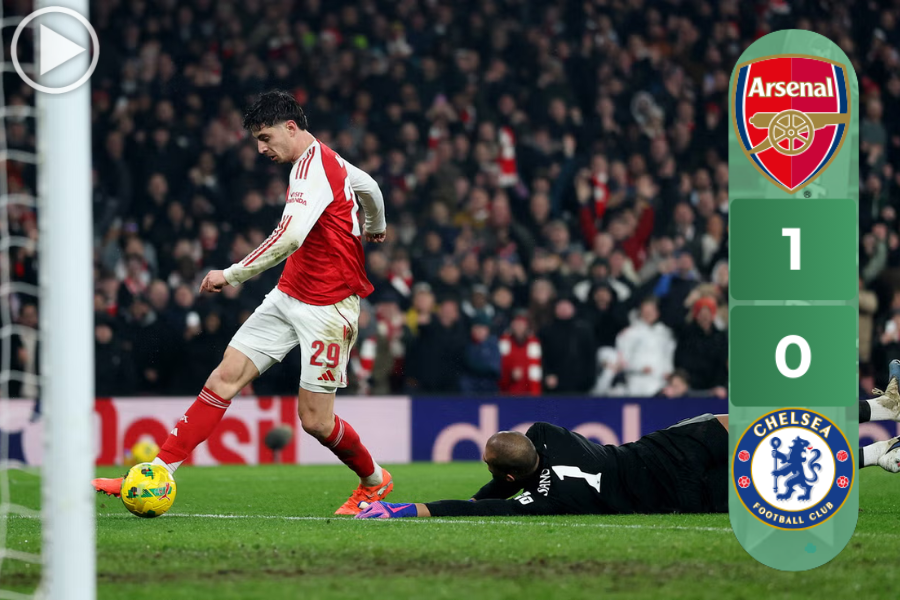
A season-long loan at Arsenal offered a potential escape route, but the move failed to reignite his form and did not result in a permanent transfer. By the time he returned to Chelsea, his position was unchanged: surplus to requirements, yet still tied to a contract with 18 months remaining — a deal reportedly worth more than £20m to the club if honoured in full.
That financial reality explains why this exit required compromise. Sterling is understood to have waived a significant portion of what he was owed, allowing Chelsea to remove a costly non-playing asset and giving the winger freedom to choose his next destination without being bound by the transfer window.
Chelsea confirmed the departure in a brief statement, thanking Sterling for his contribution and wishing him well. The numbers tell a muted story: 81 appearances across all competitions, with his final competitive outing coming back in May 2024 — a remarkable absence for a player who, only a few years ago, was central to England’s attacking blueprint.
As one observer put it, “It’s a travesty that a player of his calibre isn’t playing football.” And the word feels appropriate. Sterling was England’s second-highest scorer at the 2022 World Cup and a driving force behind the run to the Euro 2020 final. Now, at 31, he finds himself restarting his career not because of injury or age, but circumstance.
There is, however, genuine interest. Fulham, Crystal Palace and West Ham have all monitored his situation, while Napoli have also been linked with a move. Notably, Sterling is now understood to be open to leaving London — a shift from previous windows, when location and family considerations narrowed his options considerably.
Money will remain a factor, but not the defining one. No club is likely to offer wages close to £325,000 a week, and Sterling is aware that his next contract will require compromise. What matters more is minutes on the pitch, rhythm in his game, and a setting where he can once again be a footballer rather than a financial problem stored in a separate building.
For Chelsea, this marks another step in their squad reset, moving on from expensive senior figures in favour of youth and long-term planning. For Sterling, it is a chance to reclaim something far more valuable than salary: relevance.
And somewhere in English football, a winger who once terrorised full-backs for fun is preparing to remind people that talent doesn’t disappear — it just occasionally gets misplaced.