

Hadjar crashes at Turn 14 after tyre switch
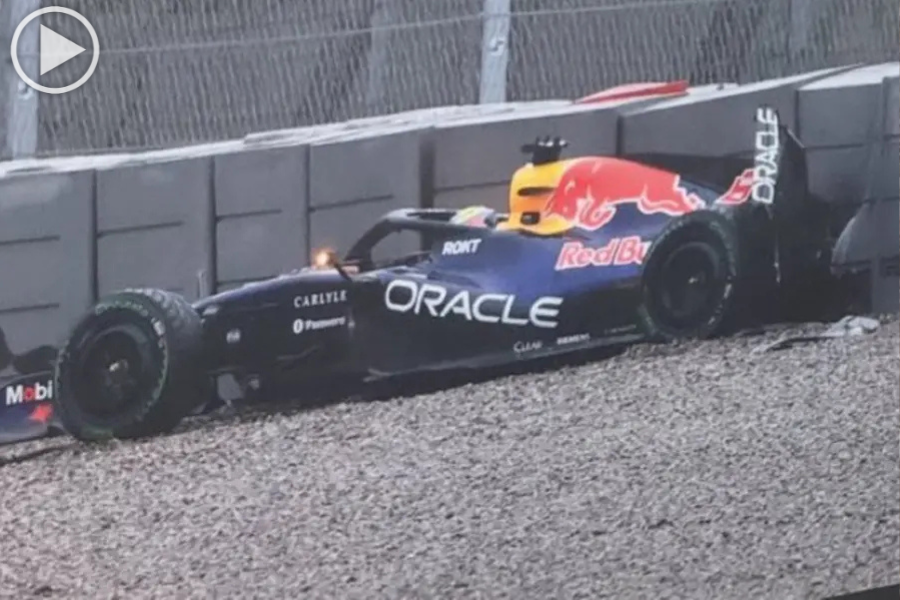
The second day of Formula 1’s private Barcelona shakedown was defined by Isack Hadjar’s crash at Turn 14, which brought Red Bull’s programme to an abrupt halt in wet conditions.
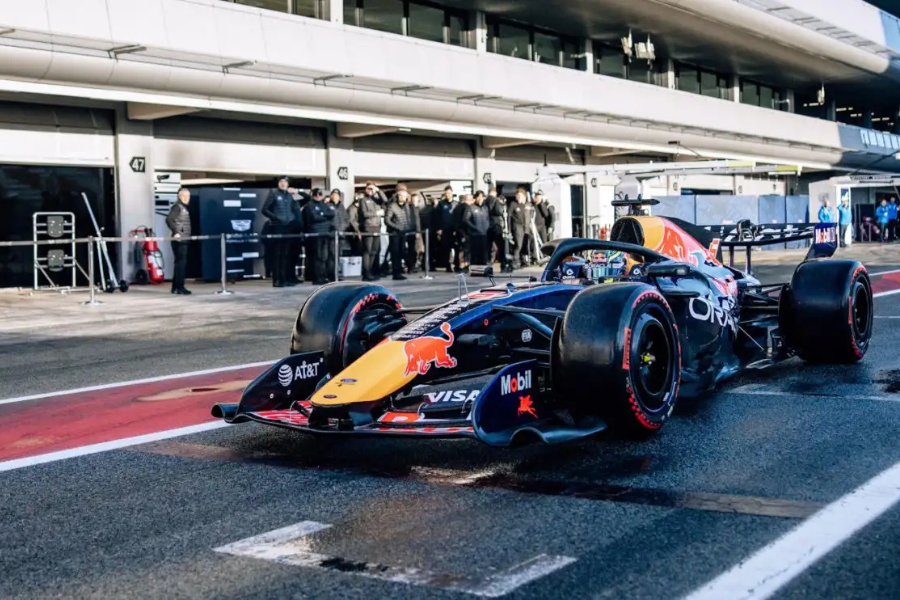
The 21-year-old Frenchman, competing in just his second season in Formula 1 and first with the senior Red Bull team, lost control on his out-lap after switching from full wet tyres to intermediates, while the circuit was still too damp for the compound. The car spun backwards into the barriers, damaging the rear suspension and wing.
Red Bull team principal Laurent Mekies said: “It was very tricky conditions this afternoon, so very unfortunate that it finished that way, but it’s part of the game. What matters is that Isack is OK.”
Verstappen and Hamilton make first 2026 appearances
Before the incident, Max Verstappen completed his first laps in Red Bull’s RB22, briefly running wide on his opening tour but continuing without damage. He handed the car over to Hadjar after lunch.
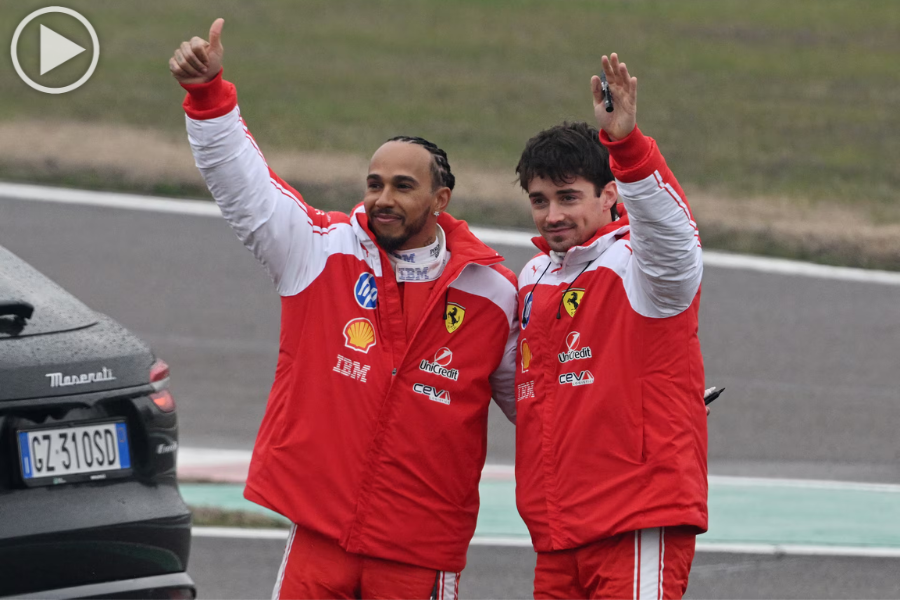
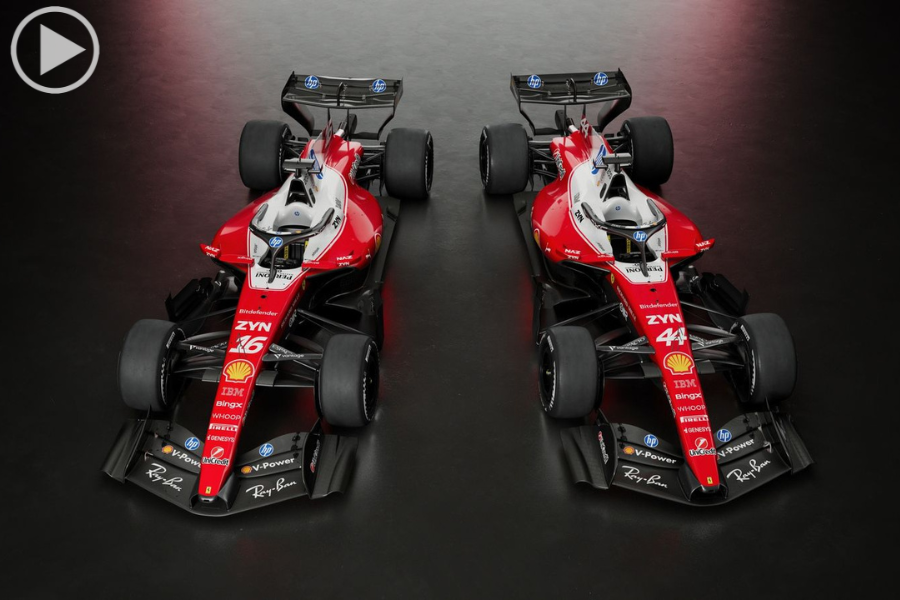
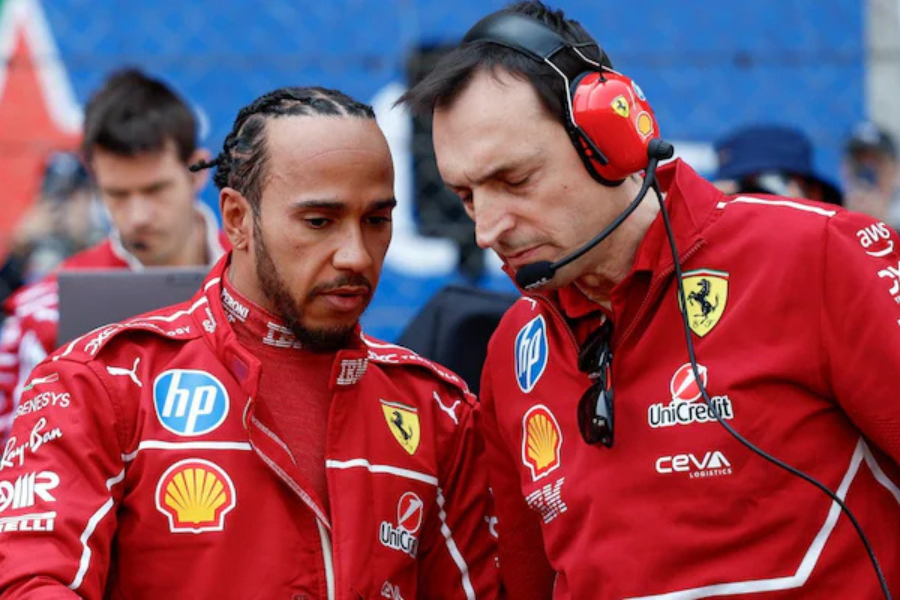
Ferrari also ran for the first time, with Charles Leclerc driving in the morning session and Lewis Hamilton making his Ferrari debut in the afternoon, almost entirely in wet conditions. Hamilton had an early trip through the gravel but avoided damage and completed a solid mileage programme.
“Very challenging today,” Hamilton said, “but really productive.”
Why 2026 testing matters more than lap times
With Formula 1 entering its biggest technical reset in decades, outright pace in Barcelona was largely irrelevant. The new regulations bring revised chassis, radically different aerodynamics, sustainable fuels, and a much greater hybrid contribution, making energy management central to performance.
Hamilton highlighted this shift, explaining that the focus was on “utilising the power, the battery through the lap and recharging”, adding that understanding deployment and recovery would be “crucial” under the new rules.
Leclerc echoed that view, saying Ferrari were prioritising system checks rather than performance runs, as teams looked to validate cooling, electronics and hybrid behaviour before pushing harder later in the test.
McLaren delay start as weather reshapes schedules
While Ferrari and Red Bull braved the rain, all other teams sat out the second day.
World champions McLaren had planned to run on Tuesday or Wednesday, but poor weather forced them to delay their debut until Wednesday, after which they intend to complete running on all three remaining days.
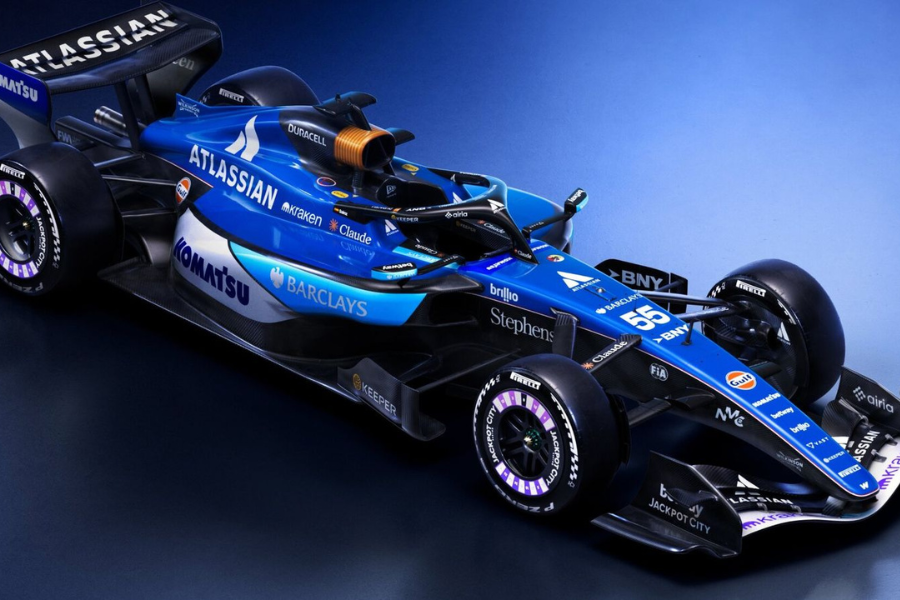
Williams skipped the test entirely, while Aston Martin targeted a late-week start.
Aston Martin mystery and Adrian Newey influence
Aston Martin’s delayed arrival attracted attention across the paddock. Former team strategist Bernie Collins described the situation as “a mystery”, suggesting the team may be aligning its launch with deeper structural changes behind the scenes, particularly following the arrival of Adrian Newey, whose influence on long-term development is expected to be significant.
Their absence only added intrigue to a test already shaped by secrecy and weather disruption.
Early setback, long-term learning for Red Bull
Despite Hadjar’s crash, Red Bull remained encouraged by the rookie’s progress. He had completed extensive mileage on day one, delivering valuable feedback on balance and drivability before the accident curtailed his wet-weather running.
With teams limited to just three days of track time across the five-day test, the incident reduced Red Bull’s margin for error. However, internally it was viewed as part of the steep learning curve facing both drivers and engineers under the radically new 2026 framework.
Wet beginnings for a dry competitive reset
From Hamilton’s rain-soaked Ferrari debut to Verstappen’s first laps in Red Bull’s new-era challenger, Barcelona’s opening sessions offered little in the way of performance clues but plenty of narrative momentum.
Hadjar’s Turn 14 crash served as a sharp reminder of how unforgiving early testing can be — especially when tyre transitions, energy management and unfamiliar car behaviour intersect in marginal conditions.
As teams prepare for drier running later in the week, the real competitive picture remains hidden. But Formula 1’s 2026 era has already begun with unpredictability, technical complexity and a rookie reminder that learning curves in this new generation will be steep.