

Helmet ban rocks Britain’s strongest medal chance
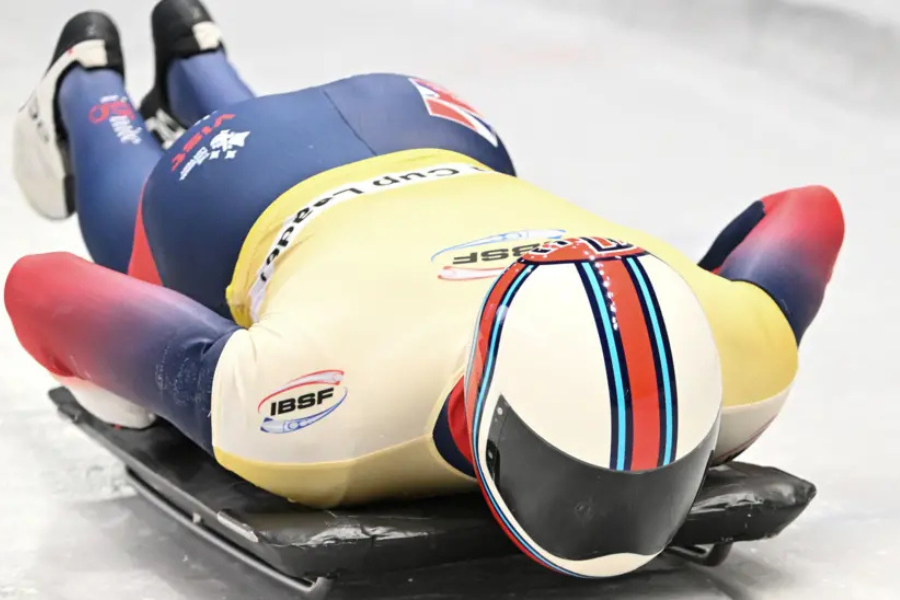
Team GB’s best hope of Winter Olympics gold has been plunged into uncertainty after newly developed skeleton helmets were ruled ineligible just days before racing begins in Cortina d’Ampezzo, the venue for sliding sports at the Milan–Cortina 2026 Games.
World Cup dominators Matt Weston and Marcus Wyatt, who have won all seven races this season, were expected to contest gold and silver. Instead, Britain now faces a race against time after appealing the ruling to the Court of Arbitration for Sport (CAS), with a verdict due on Friday, only days before competition starts.
What exactly was banned — and why it matters
The International Bobsleigh and Skeleton Federation (IBSF) ruled on 29 January that the helmets did not comply with regulations “based on their shape”. However, the British team argue the design meets all current safety standards and was developed in line with new IBSF helmet rules for the 2026–27 season, which have not yet come into force — a key legal nuance in the appeal.
The helmets were trialled in St Moritz last week, but the athletes have since reverted to their older models while awaiting CAS’s decision.
The men’s skeleton competition takes place on 12 and 13 February.
Britain’s form: dominance built on precision
The timing of the ruling is particularly damaging because Weston and Wyatt arrive in Cortina in commanding form:
- Weston: reigning two-time world champion, winner of five World Cup races this season
- Wyatt: overall World Cup silver medallist, winner of two races
- Combined margin in last year’s world championships final: 1.9 seconds
Together, they represent Team GB’s clearest gold opportunity in sliding sports.
£5,765,123 investment behind Britain’s innovation surge
Britain’s rise in skeleton has been fuelled by £5,765,123 in National Lottery funding over the past four years, channelled into technology, aerodynamics and performance science.
UK Sport performance director Kate Baker revealed that skeleton and bobsleigh are now fully integrated under a single programme led by Nat Dunman, allowing research and innovation to transfer across disciplines.
As Baker explained, Britain now operates its own wind tunnel, enabling repeated aerodynamic testing — a resource rarely available outside Formula One and elite cycling. The helmet design emerged from this integrated system, making the ban not only a sporting blow but a reputational setback for Britain’s innovation programme.
Race against time before CAS ruling
Team GB’s appeal will be heard on Thursday, with the decision expected on Friday, just days before Weston and Wyatt line up in Cortina.
While both athletes dominated the season using their previous helmets, the abrupt equipment change introduces unwanted uncertainty in a sport decided by hundredths of a second.
Inside the camp, the message remains one of control rather than panic, but the episode has added mental strain to what was shaping up as Britain’s most confident Olympic campaign in skeleton history.
Not the first time Britain’s equipment has caused Olympic debate
This is not Team GB’s first brush with Olympic equipment controversy:
- 2010 Vancouver — Amy Williams won gold despite protests from the USA and Canada over ridges on her helmet; the challenge was dismissed.
- 2018 PyeongChang — Lizzy Yarnold, Laura Deas and Dom Parsons faced scrutiny over drag-reducing race suits, which were ultimately ruled legal.
Unlike those cases, however, the current ruling has gone against Britain — at least initially — exposing the fine margins between innovation and regulation in elite winter sport.
Gold path disrupted — but not derailed
Whether CAS overturns the ban or not, Weston and Wyatt remain the men to beat in Cortina. Their World Cup dominance was built without the new helmets, reinforcing confidence that performance fundamentals remain intact.
Still, in a discipline where outcomes hinge on microscopic gains, the episode has transformed what looked like a straightforward gold pursuit into one of the most dramatic technical disputes of the Milan–Cortina Games — and one that could reshape how innovation is regulated in sliding sports going forward.