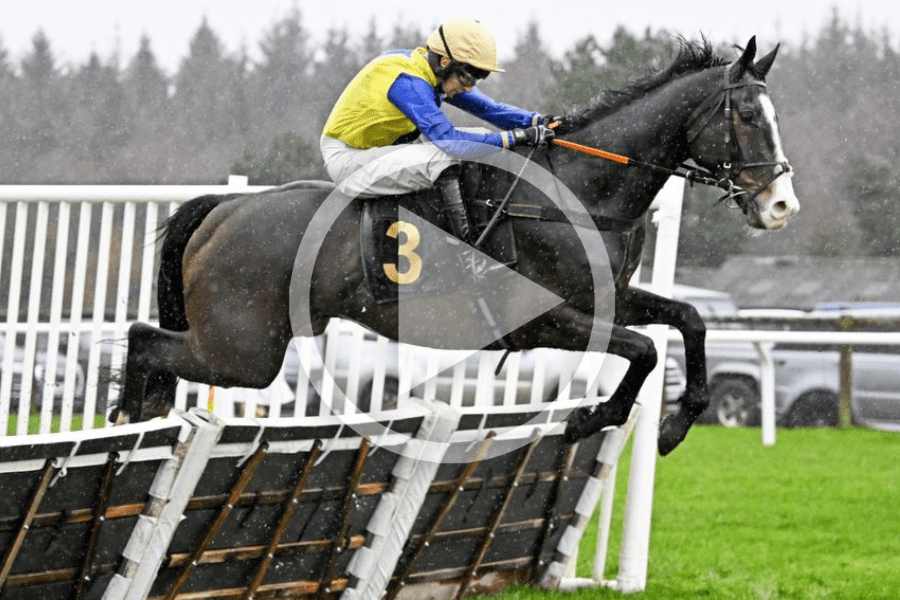

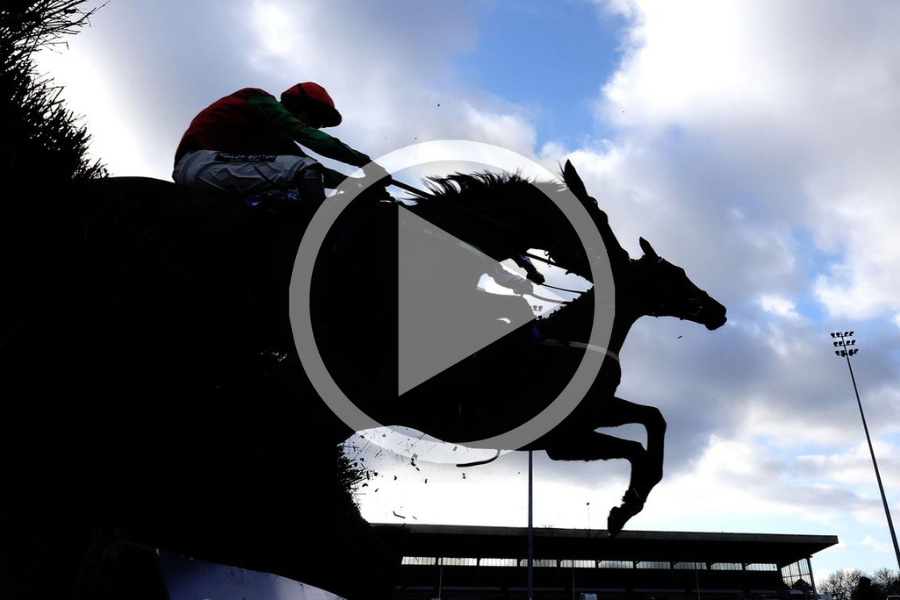

What was meant to be a competitive and high-profile National Hunt meeting at Kempton Park instead unfolded as one of the most distressing days in modern British racing. The Lanzarote Hurdle card became overshadowed by the loss of three horses, transforming a showcase of elite sport into a moment of collective grief and reflection.
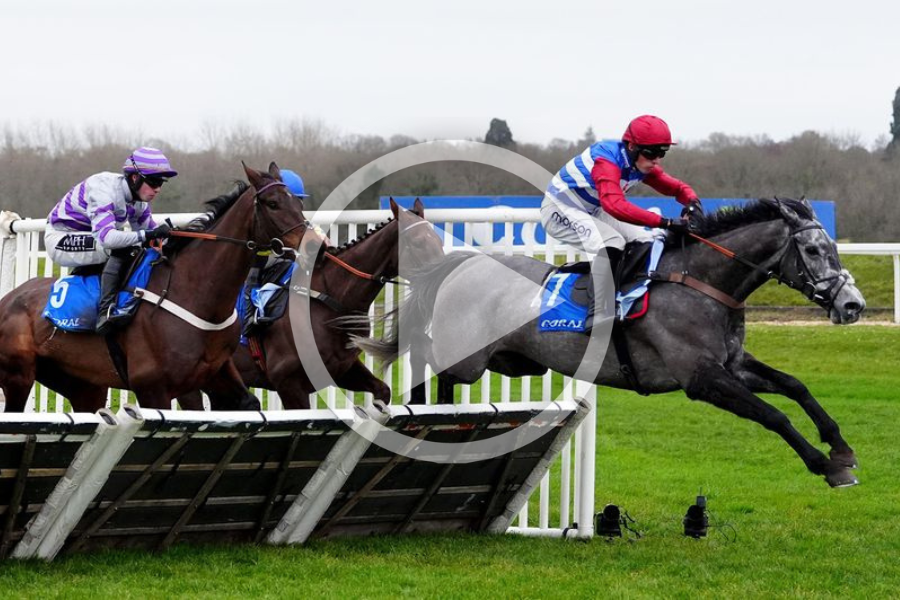
The most prominent casualty was Kalif Du Berlais, a Grade One winner whose class and promise had long been recognised. Jumping fluently and travelling with authority, he appeared to be enjoying his race before unseating his rider and sustaining a catastrophic shoulder injury on landing. Despite immediate veterinary intervention, the injury was untreatable and the decision was taken to humanely euthanise him on course.
The emotional toll of the afternoon was unmistakable, with leading jockey Harry Cobden deeply shaken by the loss of Kalif Du Berlais, a horse owned by a syndicate that includes Sir Alex Ferguson, one of the most recognisable figures in British sport. So profound was the impact that Cobden chose to stand down from his final ride of the day, underlining how the tragedy affected individuals not only professionally, but mentally and emotionally. The presence of such a high-profile owner also reinforced the national significance of the loss, illustrating that moments like this resonate far beyond the racecourse.
Trainers and stable staff spoke of shock and heartbreak, describing the loss as “a big kick in the teeth” for everyone involved. Kalif Du Berlais was remembered not just for his ability, but for the belief that his best days still lay ahead — a future that would now never be realised.
Elsewhere on the card, further tragedy struck. Peso, competing in a demanding two-and-a-half-mile handicap chase, was pulled up after sustaining a fatal injury on the flat, away from any obstacle. This detail became particularly significant, highlighting that the incident occurred during routine racing rather than at a jump. It served as a stark reminder that, even under optimal conditions, risk can never be fully eliminated from the sport.
The third loss came in the juvenile hurdle, where Wertpol looked poised to deliver a major performance before falling at the final flight. The injuries he sustained proved life-ending. The sense of sadness was intensified by the fact that Wertpol had been with his current trainer for only a short period of time, just long enough for connections to appreciate both his talent and his vibrant personality. He was described as a horse who loved his work, full of energy and expression, making his sudden loss all the more painful.
As the scale of the day became clear, racing authorities moved quickly to address concerns. Officials reiterated that each fatality would be examined individually, with no immediate indication of a shared cause. The contrasting nature of the incidents — a fall, an injury on the flat, and a late-race accident — supported the view that the tragedies were circumstantial rather than systemic.
At the same time, British racing continues to place emphasis on transparency and welfare accountability, promoting clearer communication around safety standards and post-race analysis. Platforms such as HorsePWR form part of this wider effort, aimed at reassuring the public that continuous improvement in equine welfare remains central to the sport’s future.
Kempton Park will not be remembered for winners or prize money, but as a day that laid bare the emotional reality of horse racing. For jockeys, trainers, owners and stable staff alike, it was a reminder that behind every race is a living athlete — and that when tragedy strikes, its impact is deeply human, lasting well beyond the final result.