


A New Look for a New Era
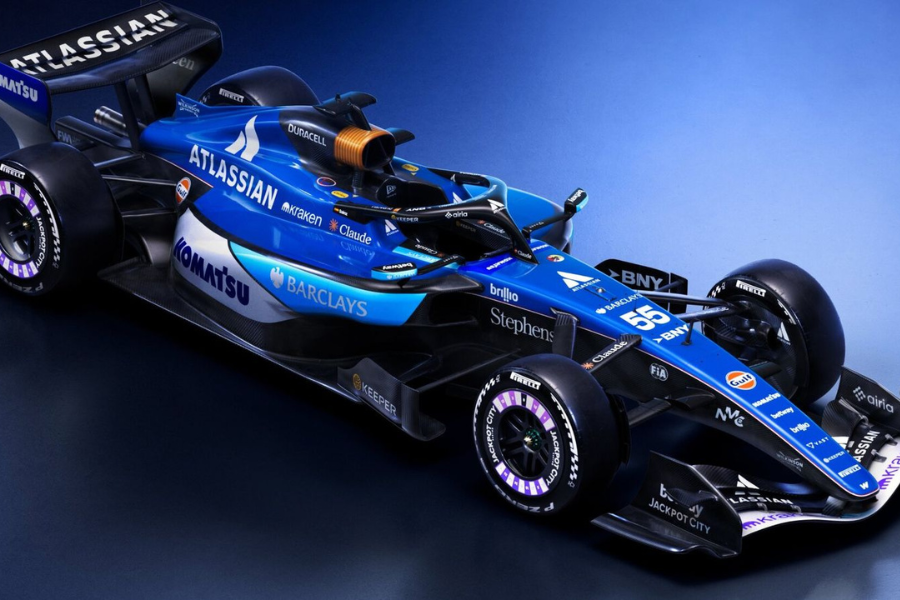
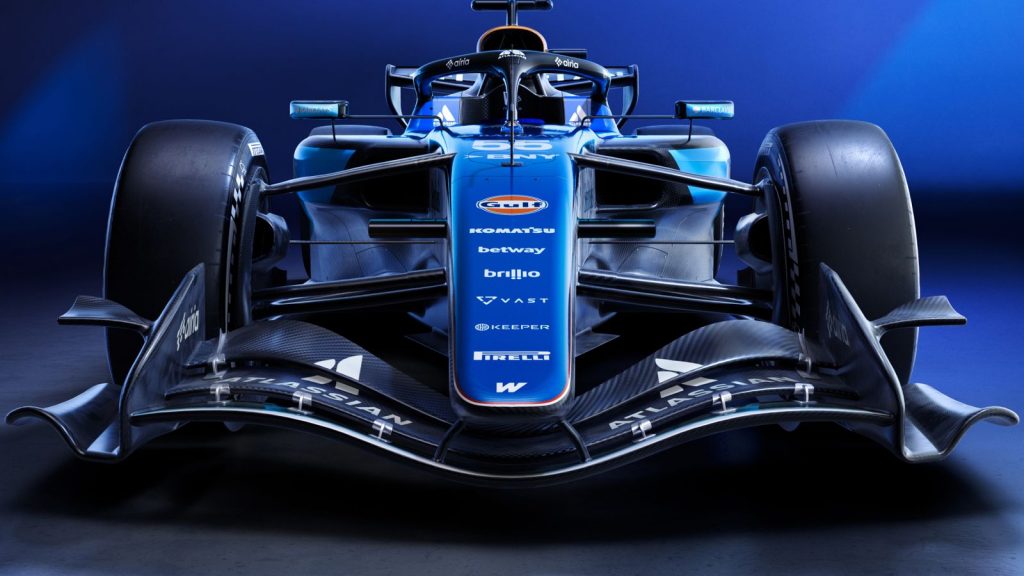
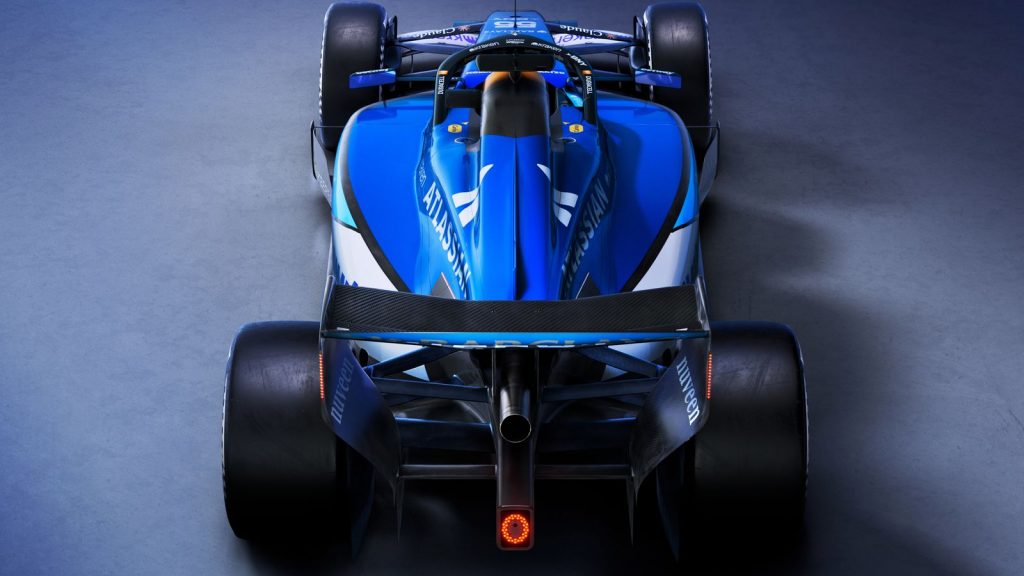
Williams have unveiled their 2026 livery on what the team described as a simplified version of their FW48, revealing a striking glossy blue design as Formula 1 prepares for its biggest technical reset in years. The base colour reflects the corporate identity of title partner Atlassian, while the lighter blue and white sidepods mark the arrival of new banking partner Barclays, giving the car a fresher and more dynamic visual profile.
The team say the updated colour scheme represents their “bold intent” as they enter a new regulation cycle that reshapes both chassis design and power unit technology.
Why Missing Barcelona Really Mattered
Williams were the only team absent from the Barcelona shakedown, a setback made more serious by the arrival of all-new 2026 power units. These engines feature three times more electrical output than before and are widely described as being energy-starved, making early on-track running crucial for understanding deployment strategies, harvesting behaviour and race management.
Team principal James Vowles acknowledged the absence was a deficit, particularly in learning how to manage these complex hybrid systems in real conditions. However, he remains confident that intensive simulator work and virtual track testing have allowed the team to replicate much of that learning ahead of the Bahrain sessions.
Mercedes Mileage Calms Williams Concerns
A key reason Vowles says he is “not concerned at all” is Williams’ status as a Mercedes power unit customer. Mercedes completed more laps than any other manufacturer in Barcelona, giving Williams access to extensive data on reliability, energy deployment and drivability before their own car even turns a wheel.
Vowles believes this partnership significantly reduces the impact of missing early track time, especially in an era where power unit behaviour may define competitiveness as much as aerodynamic efficiency.
Engineering Ambition Behind FW48 Delay
The production delay was not caused by conservatism — quite the opposite. Vowles revealed that part of the issue lay in pushing the boundaries of design, particularly with an “impressive” front suspension wishbone layout, which tested the limits of Williams’ manufacturing processes.
He admitted that not every department was operating at the same technical level, and that the attempt to execute such ambitious geometry exposed weaknesses in integration and delivery timelines. However, he described the experience as “intelligent failure”, arguing that real organisational progress only comes from confronting such breakdowns directly.
Power Unit Politics and Williams’ Strategic Position
The 2026 season has already been shaped by a growing engine controversy, with rival manufacturers disputing how compression ratios should be interpreted under the new regulations. While some believe Mercedes and Red Bull may have found a performance advantage through thermal behaviour, Mercedes insist their solution is fully compliant.
For Williams, aligned with Mercedes, this situation could prove strategically significant. If Mercedes’ interpretation holds, it may offer Williams a competitive power unit foundation in the opening phase of the new era — a vital asset for a team still rebuilding towards the front.
Drivers Ready to Capitalise
Williams retain one of the strongest driver pairings outside the traditional front four, with Carlos Sainz and Alex Albon both entering 2026 with momentum. Sainz, who delivered two podium finishes last season, said he joined Williams because he trusted the project’s long-term direction under the new rules.
Albon, starting his fifth season with the team, highlighted internal changes at Grove, pointing to evolving culture, stronger processes and a growing belief that Williams are laying the groundwork for future title contention rather than short-term gains.
Eyes on Bahrain After Difficult Start
The FW48 will make its on-track debut at the Bahrain pre-season test from 11–13 February, followed by a second three-day session later in the month. Williams believe six days of running will be sufficient to recover from their Barcelona absence and prepare for the season-opening Australian Grand Prix on 8 March.
While Williams do not expect to challenge at the front immediately, the combination of Mercedes power, aggressive engineering ambition and organisational reform suggests the team are positioning themselves for sustained progress — not just survival — in Formula 1’s newest era.